
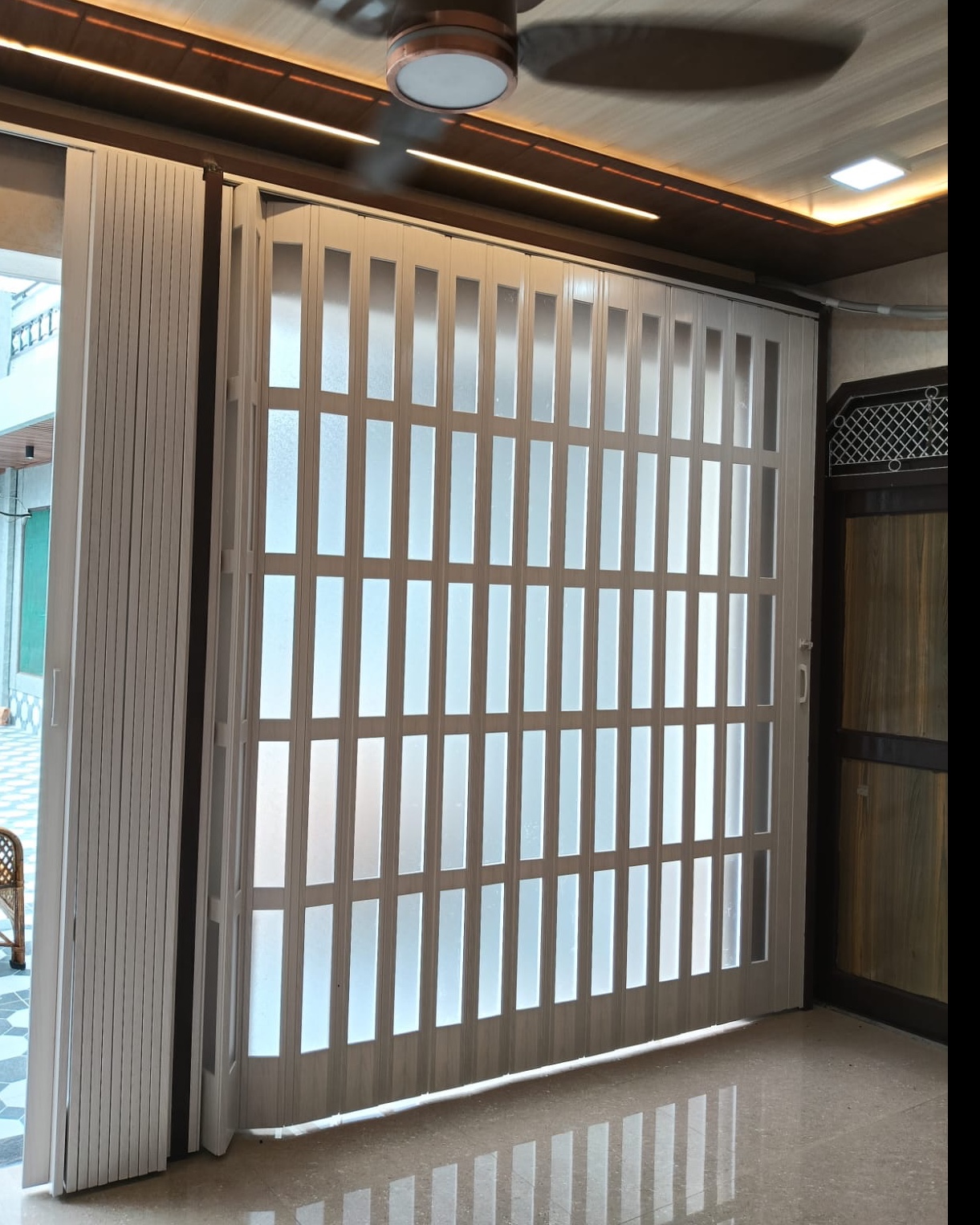
Modern interior design continues to evolve toward flexibility, efficiency, and adaptability. As urban living spaces become more compact and commercial environments demand multifunctional layouts, space division solutions have gained significant importance. One of the most practical and widely adopted solutions is the PVC foldable partition.
This versatile system allows property owners to redefine spaces without permanent structural changes. Whether in residential apartments, offices, schools, or commercial establishments, PVC foldable partitions offer a balance between practicality and aesthetic adaptability. Understanding how they work and where they are most effective helps in making informed design decisions.
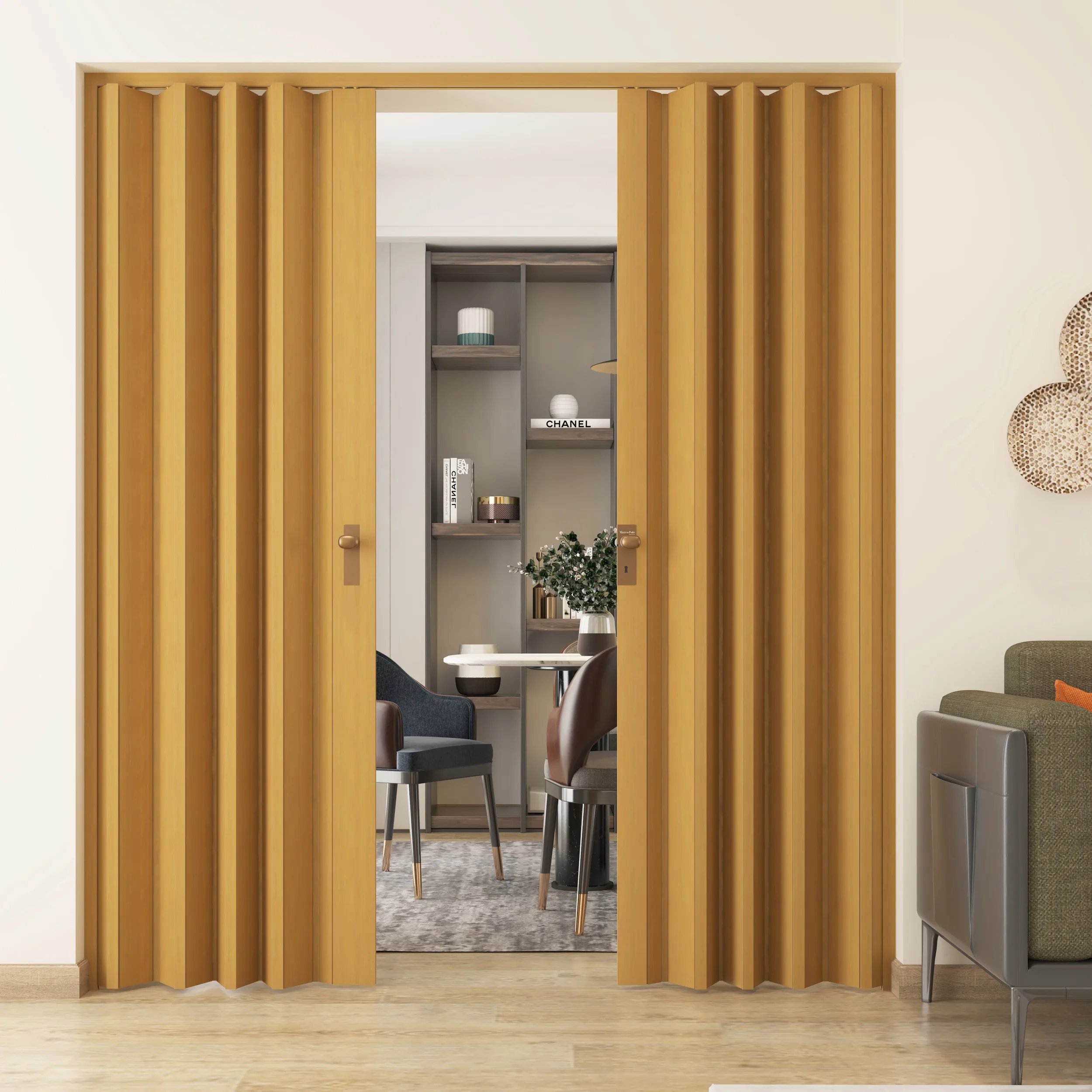
What Is a PVC Foldable Partition and How Does It Work in Modern Interiors
A PVC foldable partition is a lightweight, flexible wall system made from polyvinyl chloride (PVC) panels connected through hinges or sliding tracks. These panels fold neatly to one side when opened and expand to create a temporary or semi-permanent wall when closed.
The system typically includes:
- Interlocking PVC panels
- Top-mounted or floor-mounted track systems
- Locking mechanisms for stability
- Optional sound-reducing features
Unlike fixed brick or concrete walls, this partition system allows rooms to transform quickly. For example:
- A large hall can be divided into smaller meeting rooms
- A studio apartment can create a temporary bedroom area
- A classroom can split into breakout spaces
Because PVC is lightweight yet durable, the mechanism operates smoothly without requiring heavy structural support.
Key Features That Make PVC Foldable Partitions Space Efficient
Space efficiency is one of the main reasons these partitions are widely adopted in modern interiors. Several features contribute to their practicality:
Compact Folding Mechanism
When opened, the panels stack compactly against a wall, occupying minimal space. This ensures that usable floor area is maximized.
Lightweight Construction
PVC material is significantly lighter than wood or glass partitions. This reduces strain on tracks and improves longevity.
Customizable Dimensions
Partitions can be tailored to specific room widths and heights, allowing precise space division without extensive renovation.
Moisture Resistance
PVC resists moisture and humidity, making it suitable for kitchens, clinics, and certain commercial environments.
In many flexible layout projects, professionals working in dubai interior design environments often integrate foldable partitions to support multifunctional room usage without permanent structural modifications.
Advantages of Using PVC Partitions in Residential Spaces
Residential environments increasingly require adaptability. Apartments, villas, and shared living spaces benefit from movable partition systems.
1. Creating Temporary Privacy
Open-plan layouts are popular but may lack privacy. A foldable partition can instantly create:
- A private home office
- A study corner for children
- A guest sleeping area
2. Improving Space Organization
Instead of adding furniture dividers, partitions provide a clean architectural solution.
3. Cost-Effective Renovation Alternative
Rather than building a new wall, homeowners can install a foldable system with less construction disruption.
4. Minimal Structural Alteration
Because the system is often top-mounted, it does not require heavy floor anchoring or foundational changes.
These benefits make PVC foldable partitions suitable for both temporary adjustments and long-term residential needs.
How PVC Foldable Systems Improve Office Layout Flexibility
Modern offices rely heavily on flexible space planning. Businesses frequently need to reconfigure layouts for meetings, training sessions, or collaborative projects.
PVC foldable systems allow:
- Conversion of large conference halls into smaller meeting rooms
- Separation of departments without permanent walls
- Temporary event zones in corporate settings
Unlike traditional drywall solutions, foldable systems can be repositioned or removed with minimal effort. This flexibility supports evolving workspace strategies, especially in co-working spaces and training facilities.
Differences Between PVC Foldable Partitions and Traditional Walls
Understanding how these systems differ from traditional construction helps clarify their practical value.
Structural Permanence
- Traditional walls: Permanent and load-bearing in some cases
- PVC partitions: Non-load-bearing and movable
Installation Time
- Traditional walls: Require masonry, curing, and finishing
- PVC partitions: Installed through track alignment and panel assembly
Flexibility
- Traditional walls: Fixed layout
- PVC partitions: Adjustable and reconfigurable
Cost and Labor
Permanent walls often involve extensive material and labor costs. Foldable partitions generally require fewer resources and less construction waste.
Additionally, while systems like gypsum board work offer a lighter alternative to brick walls, they still create fixed divisions. PVC foldable systems go a step further by enabling movement and reconfiguration.
Installation Process and Structural Considerations Explained
Installing a PVC foldable partition involves careful planning and precise measurements. Although simpler than traditional wall construction, it still requires technical accuracy.
Step-by-Step Overview
- Site Measurement
Accurate width and height measurements ensure proper panel customization. - Track Installation
- Top-hung systems are mounted securely to ceiling supports.
- Floor-guided systems may include minimal bottom tracks.
- Panel Attachment
Panels are connected to rollers and aligned within the track system. - Locking and Alignment Testing
The folding mechanism is tested for smooth operation. - Final Adjustments
Minor calibrations ensure panels align perfectly when closed.
Structural Considerations
- Ceiling strength must support track weight.
- Wall edges should be level to ensure smooth folding.
- Adequate clearance must be maintained for stacking panels.
Professional installation ensures the system operates efficiently and safely over time.
Maintenance Requirements and Long-Term Durability Insights
PVC foldable partitions are known for relatively low maintenance requirements.
Routine Maintenance Tips
- Wipe panels with a damp cloth to remove dust
- Clean tracks periodically to prevent debris accumulation
- Inspect rollers and hinges annually
- Avoid applying excessive force when folding
Durability Factors
PVC material offers:
- Resistance to moisture and mild chemicals
- Protection against warping
- Consistent structural integrity over time
However, longevity also depends on usage frequency and environmental conditions. In high-traffic areas, periodic inspections are recommended to ensure smooth operation.
Ideal Applications for Temporary and Permanent Space Division
PVC foldable partitions serve various sectors due to their adaptable nature.
Residential Settings
- Studio apartments
- Villas with open-plan living rooms
- Shared accommodations
Commercial Spaces
- Training centers
- Retail showrooms
- Exhibition halls
Educational Institutions
- Classrooms needing flexible layouts
- Seminar halls
- Multipurpose auditoriums
Healthcare Facilities
- Consultation room divisions
- Waiting area reconfiguration
When considering a pvc foldable partition, understanding the intended use helps determine appropriate thickness, track system, and acoustic performance requirements.
Conclusion
PVC foldable partitions represent a practical response to the growing need for flexible interior spaces. Their lightweight structure, ease of installation, and adaptability make them suitable for both residential and commercial environments. Unlike permanent walls, they offer the ability to redefine layouts without structural disruption.
As space efficiency continues to shape modern design, movable partition systems provide a balanced solution between openness and privacy. By understanding their features, installation process, and maintenance requirements, property owners can make informed decisions about integrating them into their environments.
FAQs
1. What materials are used in PVC foldable partitions?
PVC foldable partitions are primarily made from polyvinyl chloride panels connected with hinges or sliding track mechanisms. Some systems may include aluminum frames or reinforced internal supports for added stability.
2. Are PVC foldable partitions suitable for small apartments?
Yes, they are especially beneficial in small apartments because they allow temporary room division without consuming permanent space. When folded, the panels stack compactly, preserving usable floor area.
3. How durable are PVC foldable partition systems?
PVC is resistant to moisture, warping, and moderate wear. With proper installation and routine maintenance, these partitions can maintain functionality for many years.
4. Can PVC partitions provide sound insulation?
Basic PVC partitions offer limited sound reduction. However, enhanced models may include thicker panels or additional insulation layers to improve acoustic performance.
5. Where are PVC foldable partitions commonly installed?
They are commonly installed in residential apartments, offices, classrooms, healthcare facilities, retail spaces, and multipurpose halls where flexible space division is required.