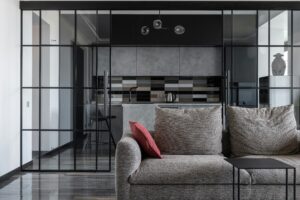
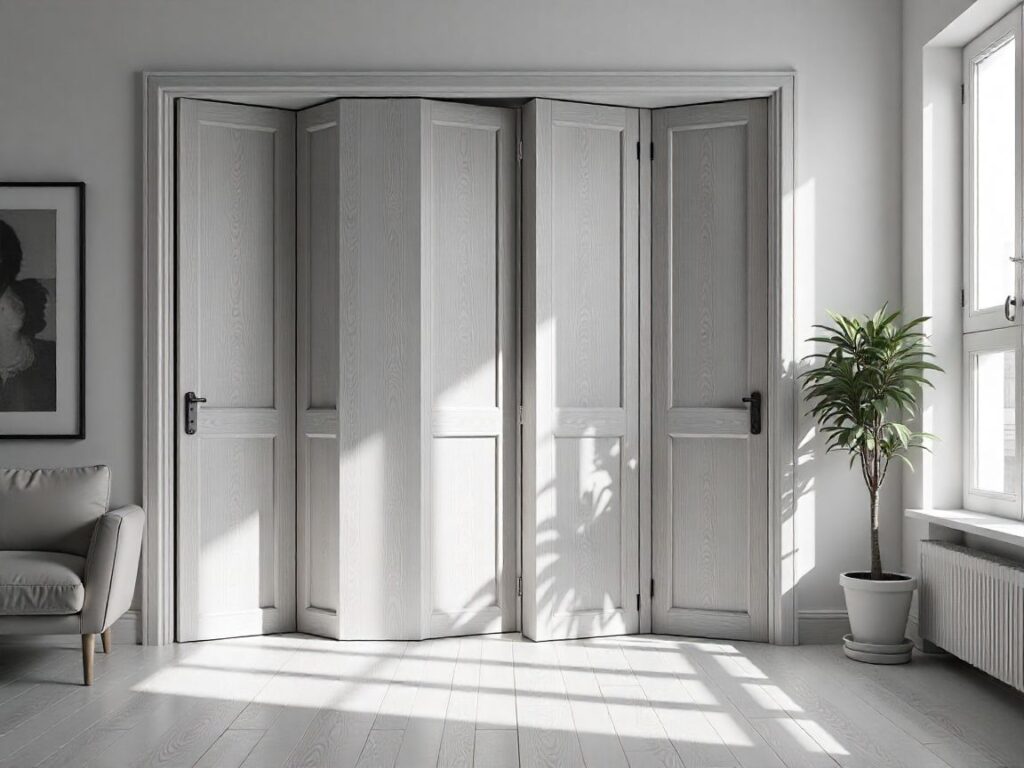
Modern interior design is no longer limited to fixed layouts and rigid room structures. As homes and offices evolve to support flexible lifestyles and hybrid working environments, adaptable space solutions have become increasingly important. One such solution is the folding partition wall, which allows users to modify layouts quickly and efficiently without permanent construction.
Whether in residential apartments, commercial offices, educational institutions, or hospitality venues, movable partition systems help maximize functionality while maintaining aesthetic appeal. Understanding how these systems work and the benefits they offer can help property owners make informed decisions when redesigning or optimizing interior spaces.
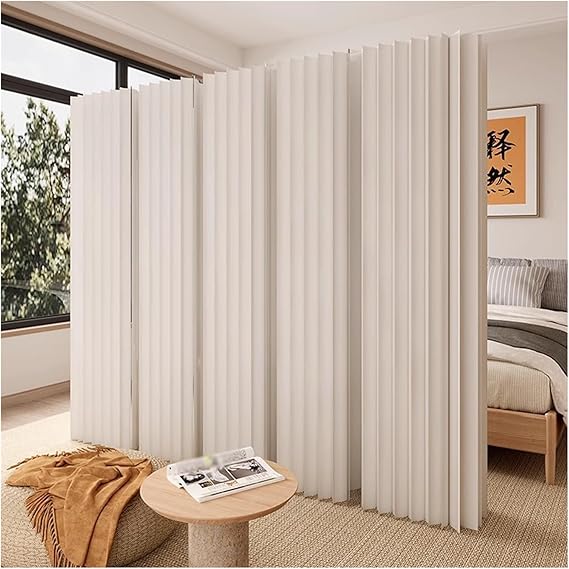
What Is a Folding Partition Wall and How Does It Function in Modern Interiors
A folding partition wall is a movable divider system designed to separate spaces temporarily or semi-permanently. Unlike traditional brick or concrete walls, these partitions can be folded, stacked, or slid to create flexible layouts within a single area.
The basic mechanism typically involves:
- Hinged panels connected in a series
- Top-hung or floor-supported tracks
- Smooth gliding hardware systems
- Locking mechanisms for stability
When extended, the panels form a solid barrier between spaces. When retracted, they fold neatly to one side, restoring the open layout. This makes them ideal for multi-purpose environments such as:
- Conference rooms that need to convert into event halls
- Living rooms that occasionally function as guest areas
- Classrooms that combine for larger sessions
- Restaurants that create private dining zones
Because of their adaptability, many interior designers incorporate a folding partition wall into projects that require both openness and privacy within the same floor plan.
Key Materials Used in Movable Partition Systems for Flexible Spaces
The performance and appearance of a partition system depend heavily on the materials used. Modern folding walls are available in a wide range of finishes and core structures to meet functional and design needs.
Common materials include:
1. PVC and Composite Panels
Lightweight and easy to maintain, PVC panels are often used in residential and light commercial settings. They resist moisture and are suitable for kitchens, studios, or utility areas.
2. Wood and Engineered Timber
Wood adds warmth and elegance to interiors. Timber-based panels are frequently chosen for homes, executive offices, and boutique spaces where visual appeal is a priority.
3. Gypsum-Based Panels
Gypsum-core systems provide better acoustic insulation and a more solid feel. These are often used when semi-permanent separation is required.
4. Glass and Aluminum Frames
For areas where natural light must be preserved, glass panels combined with aluminum framing offer a contemporary aesthetic.
Material selection should consider:
- Acoustic performance
- Weight and structural support
- Maintenance requirements
- Fire resistance standards
- Overall interior theme
Choosing the right material ensures that the partition complements both functional requirements and design objectives.
Benefits of Installing Flexible Dividers in Residential Areas
Flexible partition systems provide numerous advantages for homeowners seeking adaptable living environments.
Improved Space Utilization
Open-plan homes are popular, but they sometimes lack privacy. Movable partitions allow homeowners to divide large areas temporarily without committing to permanent walls.
Enhanced Privacy
Whether for remote work, study sessions, or guest accommodation, temporary separation can improve comfort without altering the core structure.
Design Versatility
Interior aesthetics can be enhanced by incorporating decorative dividers. For example, a wooden room divider can add texture and visual depth while maintaining functionality.
Cost-Effective Renovation Alternative
Instead of demolishing and rebuilding walls, homeowners can introduce partitions to reconfigure layouts efficiently.
Increased Property Adaptability
Properties that offer flexible layouts often adapt more easily to changing family needs, such as growing children or multi-generational living.
By offering a balance between openness and enclosure, movable dividers align with modern residential demands.
How Space Optimization Improves Productivity and Comfort
Interior layouts significantly influence productivity, especially in work-from-home and commercial office settings. A flexible environment can directly impact focus, efficiency, and well-being.
Acoustic Control
Partitions help reduce noise transmission between zones, which is essential in:
- Shared offices
- Study areas
- Meeting rooms
Defined Functional Zones
Clear spatial boundaries improve mental organization. When spaces are visually defined, individuals can transition more easily between tasks.
Reduced Visual Distractions
Creating semi-private zones minimizes interruptions, supporting deeper concentration.
Adaptability for Hybrid Work Models
As work patterns change, offices require spaces that accommodate collaboration and individual focus. Movable walls allow businesses to reconfigure rooms based on daily needs.
Optimized spaces also enhance comfort by allowing users to control lighting, airflow, and privacy levels more effectively.
Comparing Permanent Walls and Temporary Dividers for Interiors
Understanding the differences between permanent construction and flexible partition systems helps determine the most suitable option.
Permanent Walls
- Built using concrete, brick, or block
- Require construction permits in many cases
- Difficult and costly to modify
- Offer strong acoustic insulation
Temporary or Movable Dividers
- Installed without major structural changes
- Easier to relocate or remove
- Offer moderate to high acoustic control depending on materials
- Provide flexible layout options
In many cases, combining different solutions is beneficial. For example, a solid gypsum partition dubai may be used for long-term structural division, while folding systems handle adaptable areas within the same building.
The choice depends on intended use, budget constraints, and long-term planning considerations.
Design Styles and Finishing Options for Contemporary Spaces
A key advantage of modern partition systems is their ability to blend seamlessly with interior design themes.
Minimalist Designs
Neutral tones, clean lines, and concealed hardware create a streamlined look.
Rustic and Natural Themes
Wood-grain finishes and textured panels complement natural interior palettes.
Industrial Aesthetics
Metal frames and matte finishes align well with loft-style spaces.
Luxury Interiors
High-gloss surfaces, integrated lighting, and custom patterns enhance upscale environments.
Finishing options may include:
- Laminates
- Veneers
- Fabric coverings
- Acoustic panels
- Frosted or tinted glass
When selecting finishes, consider:
- Existing color schemes
- Lighting conditions
- Intended room usage
- Maintenance requirements
Thoughtful design integration ensures that partitions contribute to both functionality and visual harmony.
Maintenance Requirements and Longevity Considerations
Proper maintenance plays a significant role in extending the lifespan of movable partition systems.
Routine Cleaning
Dust and debris should be removed regularly from:
- Tracks and rollers
- Hinges and joints
- Panel surfaces
Hardware Inspection
Periodic checks of locking systems and gliding mechanisms prevent operational issues.
Surface Care
Depending on material type:
- Wood surfaces may require polishing
- PVC panels may need mild cleaning solutions
- Glass sections require streak-free cleaners
Environmental Factors
Humidity, temperature changes, and heavy usage can affect durability. Selecting materials suitable for the local climate enhances long-term performance.
With appropriate care, modern folding partitions can remain functional and aesthetically appealing for many years.
Ideal Places Where Movable Partitions Work Best in Homes and Offices
Movable partition systems are versatile and adaptable to various environments.
Residential Applications
- Studio apartments needing bedroom separation
- Dining areas that convert into workspaces
- Large living rooms requiring temporary guest rooms
Commercial Applications
- Meeting rooms in corporate offices
- Training centers requiring flexible classroom sizes
- Retail stores creating seasonal display areas
Hospitality and Event Spaces
- Banquet halls dividing into smaller venues
- Hotels offering adaptable conference areas
- Restaurants providing private dining options
Educational Institutions
- Lecture halls divided for smaller sessions
- Study zones within libraries
In each case, the ability to transform space quickly adds operational efficiency and improved user experience.
Conclusion
Flexible interior solutions have become essential in modern design. Folding partition walls provide adaptability, improve privacy, and enhance space utilization without the permanence of structural walls. By understanding materials, maintenance needs, and design considerations, property owners can integrate movable systems that align with evolving spatial requirements. Whether for homes, offices, or commercial venues, these partitions offer practical and aesthetic advantages that support dynamic living and working environments.
FAQs
1. What is the main purpose of a folding partition wall?
A folding partition wall is designed to create flexible room divisions without permanent construction. It allows users to open or close spaces based on functional needs.
2. Are movable partitions suitable for small apartments?
Yes, they are particularly useful in compact homes where one area must serve multiple purposes, such as combining living and sleeping zones.
3. How durable are modern partition systems?
Durability depends on materials and maintenance. High-quality hardware and appropriate care can ensure long-term performance.
4. Can folding walls provide sound insulation?
Many systems offer moderate to high acoustic control, especially when constructed with dense cores or additional insulation layers.
5. What materials are commonly used in partition walls?
Common materials include PVC, engineered wood, gypsum panels, aluminum frames, and glass, each selected based on functional and design requirements.