Modern workplaces are constantly evolving to adapt to new work styles, technologies, and employee expectations. One of the most effective ways businesses optimize their interiors without major structural changes is through office partition systems. These solutions allow organizations to redefine layouts, improve functionality, and create a more productive environment without permanent construction.
Understanding how partition systems work and why they are widely used can help businesses make smarter interior planning decisions. From improving privacy to enhancing aesthetics, partition offices play a crucial role in contemporary workspace design.
What Is a Partition Office and How Does It Function in Modern Workspaces
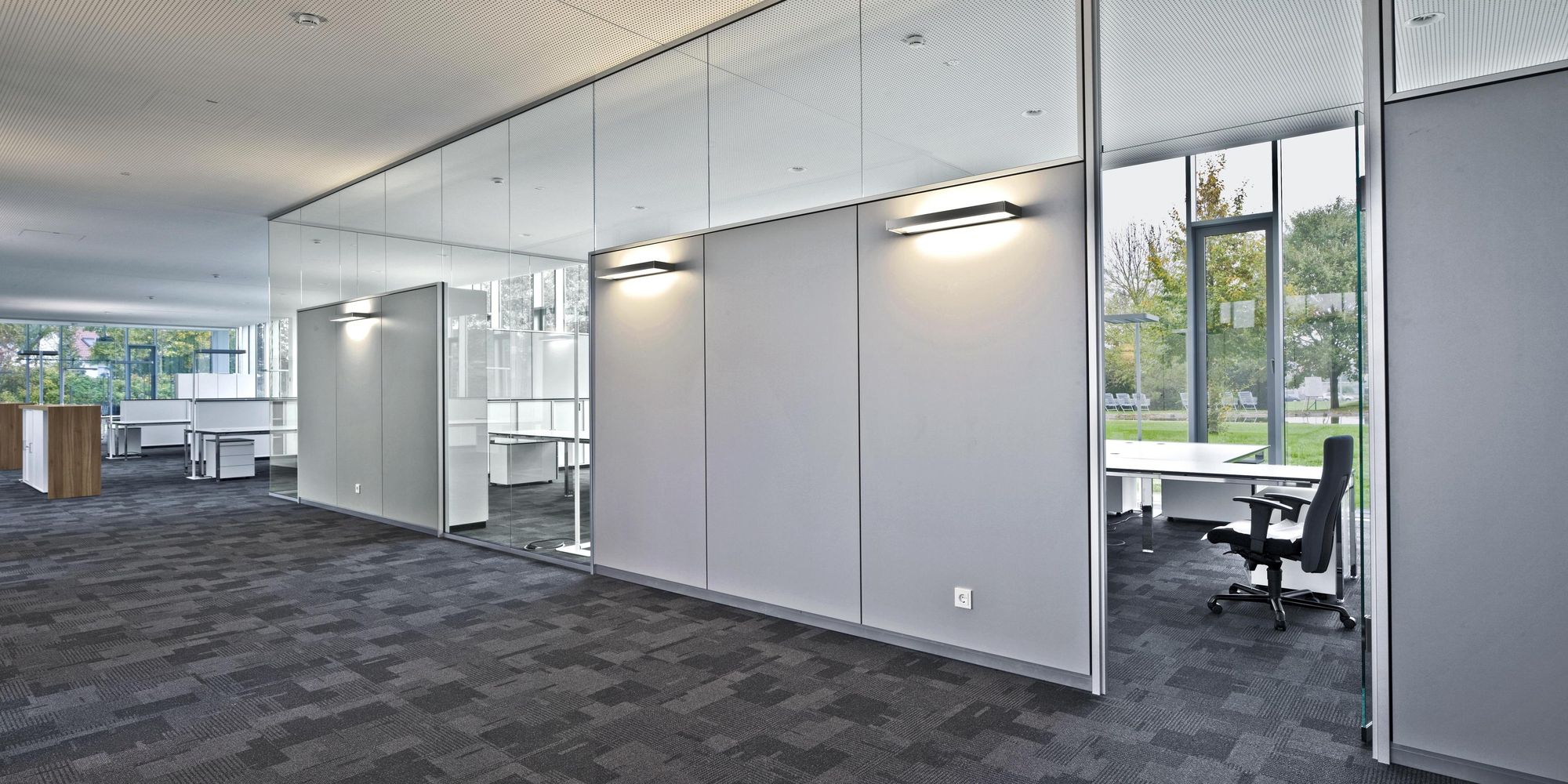
A partition office refers to a workspace layout where dividing structures are used to separate areas within a larger office environment. Instead of constructing permanent walls, partitions act as flexible barriers that create defined zones for different purposes.
In modern workspaces, partitions serve several functions:
- Separating departments while maintaining openness
- Creating private cabins for managers or executives
- Establishing meeting areas without full construction
- Dividing collaborative spaces from focused work zones
A well-designed partition office system allows companies to adapt their layout as teams grow or workflows change. Unlike traditional walls, partitions can often be reconfigured or modified with minimal disruption.
Modern partition offices are designed to balance openness with structure. They maintain visual connectivity while providing necessary functional separation, which is essential in today’s hybrid and collaborative work environments.
Key Benefits of Using Office Partitions for Space Optimization
Office partitions offer a wide range of benefits beyond simple space division. Their impact extends to productivity, aesthetics, and operational efficiency.
1. Better Space Utilization
Partitions help maximize available floor space. Large open areas can be transformed into organized work zones without wasting square footage.
2. Enhanced Privacy
Employees benefit from visual and acoustic separation, which helps reduce distractions and improves focus.
3. Flexibility and Adaptability
As businesses evolve, partitions can often be relocated or redesigned to match new requirements.
4. Improved Workflow
Strategically placed partitions create logical pathways and defined work areas, which enhances movement and organization within the office.
5. Cost-Effective Layout Changes
Compared to permanent construction, partitions typically require less time and structural modification.
By integrating partitions into office planning, companies can achieve a balance between collaborative openness and individual productivity.
Different Types of Office Partition Materials and Their Uses
Partition systems come in various materials, each serving different functional and aesthetic purposes.
Glass Partitions
- Allow natural light to flow
- Maintain visual openness
- Suitable for meeting rooms and executive cabins
Aluminum and Metal Partitions
- Durable and lightweight
- Often used in modular systems
- Ideal for commercial offices requiring flexibility
Fabric and Acoustic Panels
- Improve sound absorption
- Suitable for call centers and collaborative areas
Wooden Systems
A wooden partition wall introduces warmth and texture to office interiors. Wooden finishes create a more inviting atmosphere while maintaining structural separation. They are commonly used in executive spaces, reception areas, and creative work environments.
Choosing the right material depends on:
- Acoustic needs
- Aesthetic preferences
- Budget constraints
- Long-term flexibility requirements
Understanding material properties ensures that partitions meet both functional and visual objectives.
How Wooden Partition Systems Improve Privacy and Aesthetics
Wooden partitions offer a distinct visual appeal that enhances workplace ambiance. Unlike industrial materials, wood brings a sense of warmth and sophistication to interiors.
Visual Appeal
Natural tones and textures create a welcoming environment. This is particularly important in client-facing areas.
Customization
Wooden systems can be customized with carvings, slats, panels, or integrated shelving.
Partial Transparency
Designs such as slatted wooden panels provide separation while maintaining airflow and light distribution.
Improved Privacy
Wood offers stronger visual blocking compared to transparent materials. This makes it ideal for executive offices and confidential discussion areas.
Beyond aesthetics, wooden partitions contribute to acoustic moderation, helping reduce noise levels within shared workspaces.
The Role of Gypsum Work in Contemporary Interior Layout Design
Gypsum plays an essential role in modern office interiors, especially when combined with partition systems. It is widely used to create smooth, refined surfaces that complement workspace design.
Professional gypsum work allows for:
- Seamless false ceilings
- Decorative wall features
- Integrated lighting designs
- Concealed wiring and ductwork
Gypsum partitions can also be constructed as semi-permanent dividers. These are particularly useful when companies require more solid separation but still want faster installation compared to brick construction.
Advantages of gypsum in partition design include:
- Lightweight structure
- Fire resistance properties
- Smooth finishing for paint and décor
- Compatibility with modern lighting systems
By integrating gypsum elements into partition layouts, designers can achieve cohesive, polished interiors.
Acoustic, Visual, and Functional Advantages of Office Partitions
Office partitions directly influence employee comfort and productivity. Their benefits extend beyond basic division.
Acoustic Control
- Reduce noise from conversations and equipment
- Minimize distractions in open-plan offices
- Support focused work environments
Visual Organization
- Define departments clearly
- Enhance professional appearance
- Improve wayfinding within the office
Functional Versatility
- Create temporary project rooms
- Enable hybrid collaboration spaces
- Support flexible desk arrangements
Partitions allow businesses to design purpose-driven zones while maintaining adaptability. In environments where constant communication occurs, strategic acoustic partitioning is especially valuable.
How to Plan Office Layouts Using Smart Partition Strategies
Effective partition planning requires a structured approach. Simply installing dividers without strategy may lead to inefficiency.
Step 1: Assess Workflow Patterns
Identify how employees interact, move, and collaborate.
Step 2: Define Functional Zones
Categorize areas such as:
- Quiet workspaces
- Meeting rooms
- Reception areas
- Breakout zones
Step 3: Evaluate Natural Light Sources
Glass or semi-transparent partitions may be necessary near windows to avoid blocking light.
Step 4: Consider Acoustic Requirements
High-concentration zones require stronger sound insulation.
Step 5: Plan for Future Expansion
Select modular systems that can be reconfigured easily.
Smart partition strategies ensure that the workspace remains dynamic and adaptable without frequent major renovations.
Common Design Mistakes to Avoid When Installing Office Dividers
While partitions offer flexibility, improper implementation can reduce their effectiveness.
Overcrowding the Space
Too many partitions can make the office feel cramped and restrict movement.
Ignoring Acoustic Performance
Choosing materials without considering noise control may lead to distractions.
Blocking Natural Light
Solid partitions placed incorrectly can darken interiors and increase reliance on artificial lighting.
Lack of Alignment with Brand Identity
Partition design should reflect the company’s culture and aesthetic values.
Poor Integration with HVAC and Electrical Systems
Failing to plan around existing infrastructure can lead to costly modifications.
Avoiding these mistakes ensures that partitions enhance rather than hinder workplace functionality.
Conclusion
Partition offices have become a fundamental component of modern workspace design. They provide flexibility, improve privacy, and enhance space utilization without requiring permanent structural changes. From wooden systems that elevate aesthetics to gypsum integrations that refine interiors, partitions allow businesses to create efficient, adaptable environments.
By understanding materials, planning strategically, and avoiding common design errors, organizations can transform their offices into functional and productive spaces tailored to evolving needs.
FAQs
What is a partition office in interior design?
A partition office is a workspace layout that uses dividing structures instead of permanent walls to create separate zones within a larger area.
How do office partitions improve productivity?
Partitions reduce distractions, enhance privacy, and organize work zones, which helps employees focus and collaborate effectively.
Which materials are best for office partitions?
Common materials include glass, wood, aluminum, fabric panels, and gypsum, each selected based on acoustic, aesthetic, and functional requirements.
Are partition offices suitable for small spaces?
Yes, partitions can maximize limited floor space by organizing areas efficiently without making the space feel enclosed.
How does gypsum enhance office interiors?
Gypsum improves interior finishes, supports integrated lighting, and allows smooth wall and ceiling designs that complement partition systems.