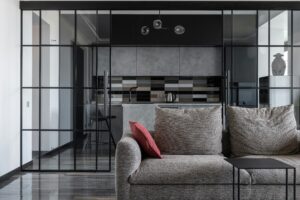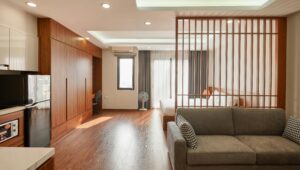
Modern interiors are no longer defined by rigid walls and permanently enclosed rooms. Instead, flexible layouts, multifunctional spaces, and aesthetic zoning have become central to contemporary design. A wall divider plays a key role in achieving this balance, allowing spaces to feel open while still maintaining structure and purpose.
Whether in a compact apartment, a spacious villa, or a commercial office, dividers help define areas without the permanence of construction. They create visual separation, improve privacy, and enhance overall interior flow. Understanding how they work and how to use them effectively can significantly improve both functionality and design harmony.
What Is a Wall Divider and How Does It Function in Modern Interiors
A wall divider is a structural or semi-structural element used to separate areas within a larger space without building a full wall. Unlike traditional walls, dividers are often movable, decorative, or partially open, allowing light and airflow to pass through.
In modern interiors, open-plan living has become increasingly popular. However, open spaces can sometimes lack organization or privacy. This is where a wall divider becomes essential. It allows homeowners and designers to:
- Create distinct zones for dining, lounging, or working
- Add privacy without sacrificing openness
- Enhance visual appeal with architectural detail
- Improve acoustic comfort in shared areas
Dividers function both practically and aesthetically. Some are minimal and functional, while others serve as design focal points with intricate patterns or integrated shelving.
Different Types of Wall Dividers Used in Residential and Commercial Spaces
Wall dividers come in many forms, each suited to specific needs and environments. Choosing the right type depends on space size, intended use, and design goals.
1. Fixed Partitions
These are permanently installed and often built from wood, metal, glass, or composite materials. They provide strong visual separation and may include storage or decorative elements.
2. Sliding or Folding Panels
Ideal for flexible layouts, sliding panels can open or close spaces as needed. They are commonly used in offices and multipurpose rooms.
3. Glass Dividers
Glass options maintain openness and allow natural light to flow freely. Frosted or tinted variations offer privacy without blocking light entirely.
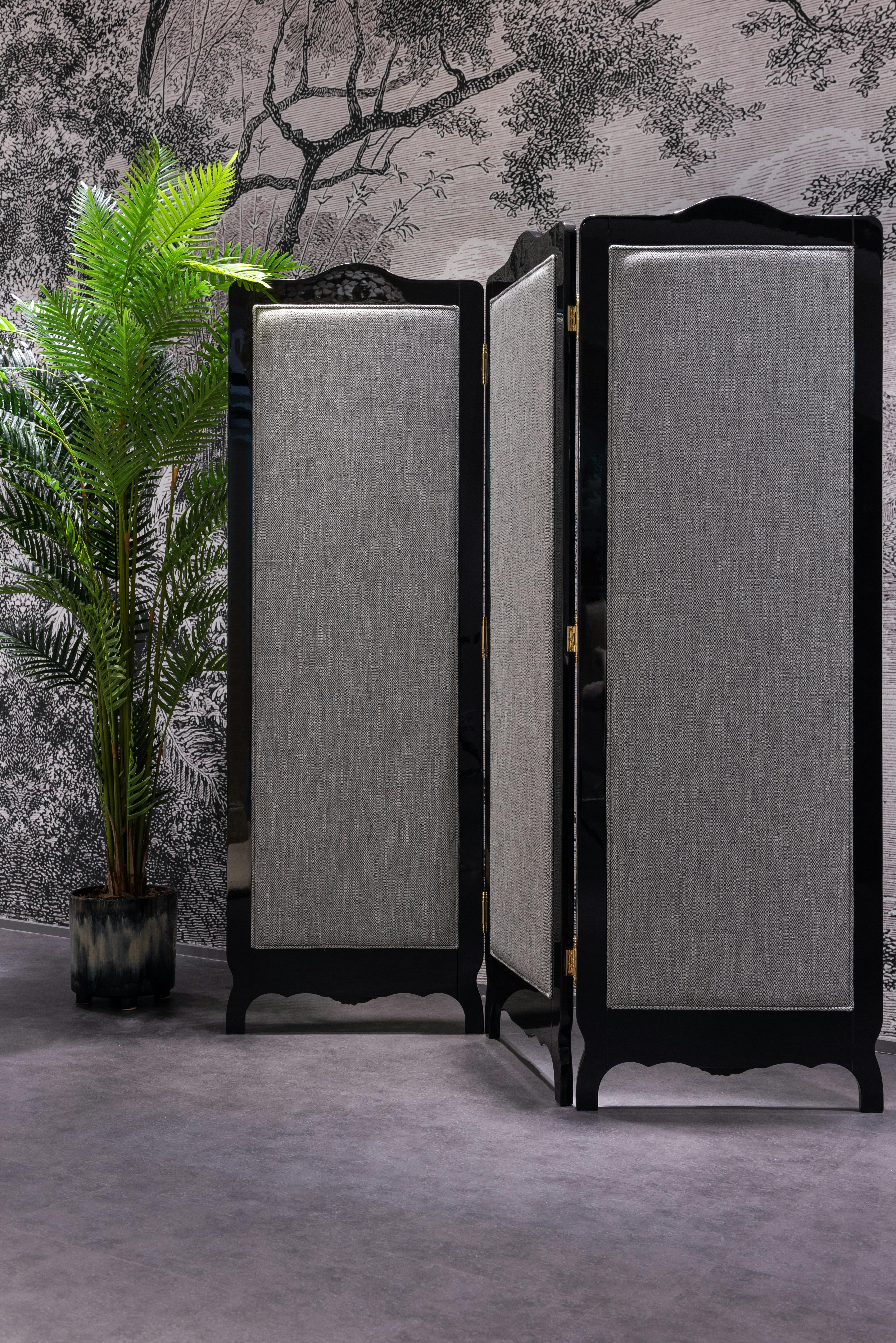
4. Decorative Screens
Freestanding or semi-fixed screens add artistic flair while defining areas subtly.
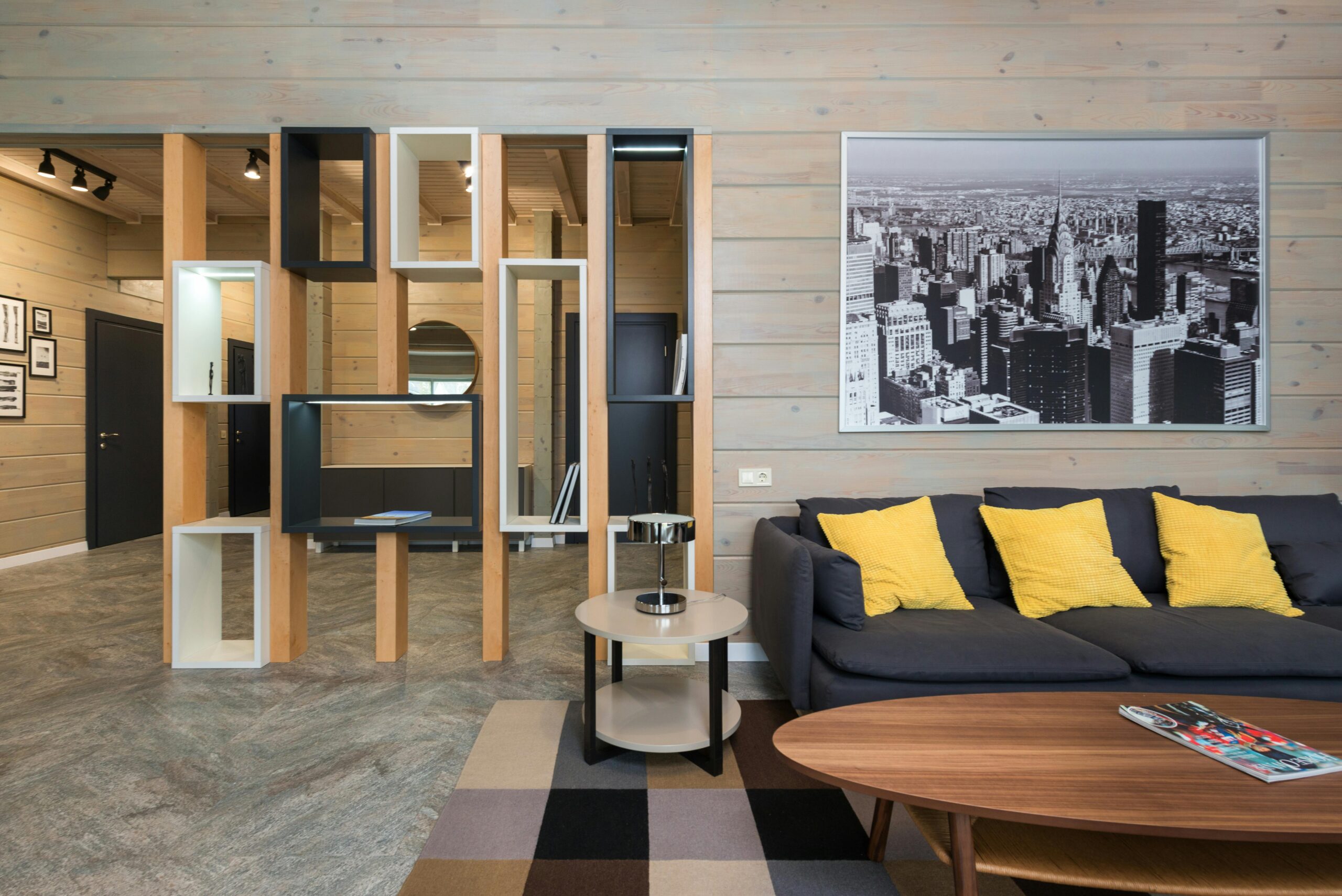
5. Shelving Units as Dividers
Bookshelves or open storage units can act as functional partitions, offering both separation and storage.
In commercial spaces, dividers often focus on privacy and acoustic control. In residential interiors, design and adaptability are usually prioritized.
How Wall Dividers Improve Space Planning and Interior Flow
Effective space planning ensures that every area within a home or office has a defined purpose. Wall dividers help achieve this by organizing movement and improving circulation patterns.
Key benefits include:
- Visual structure: Dividers create clear boundaries between zones.
- Improved flow: They guide movement naturally from one area to another.
- Enhanced privacy: Even partial separation reduces distractions.
- Better functionality: Each area can serve its intended purpose more effectively.
For example, in a studio apartment, a divider can separate the sleeping area from the living space without closing off the room completely. In an office, it can define meeting areas while maintaining collaborative openness.
When thoughtfully placed, dividers prevent spaces from feeling chaotic or undefined.
Materials Commonly Used in Contemporary Divider Designs
Material selection plays a significant role in both performance and appearance. Modern divider designs incorporate a wide range of materials, each offering distinct advantages.
Wood
Warm and versatile, wood suits traditional and contemporary interiors alike. It can be carved, slatted, or paneled.
Metal
Metal dividers create a sleek, industrial look and are highly durable.
Glass
Glass enhances brightness and openness while offering a refined aesthetic.
MDF and Composite Panels
These are cost-effective and customizable in various finishes and textures.
Decorative Moldings and Architectural Enhancements
Incorporating elements like orac decor can elevate a divider from a simple partition to a refined architectural feature. Moldings and trims add depth, texture, and character to otherwise plain surfaces.
The right material should align with the overall design theme, maintenance requirements, and functional expectations.
Benefits of Using Decorative Elements to Enhance Partitions
Wall dividers are not limited to functionality. They can become statement features that define the personality of a space.
Decorative enhancements may include:
- Geometric cut-out patterns
- Integrated lighting strips
- Textured panels
- Vertical slats or layered finishes
- Built-in planters or display niches
These elements transform a simple divider into an artistic centerpiece. For example, laser-cut panels can cast beautiful shadow patterns when illuminated, creating dynamic visual interest.
Adding decorative detail also allows the divider to complement furniture, flooring, and ceiling treatments. When carefully coordinated, the result feels cohesive and intentional.
How Outdoor Furniture Complements Semi-Open Divided Areas
Dividers are not limited to indoor use. Semi-open terraces, balconies, and patios also benefit from subtle zoning.
In transitional spaces, dividers can:
- Shield seating areas from wind
- Add privacy from neighboring properties
- Define dining and lounging zones
- Provide support for climbing plants
When thoughtfully paired with outdoor furniture dubai, dividers help create comfortable and structured outdoor living areas. For example, a slatted partition can define a lounge corner while allowing airflow, making the space feel cozy without becoming enclosed.
Outdoor dividers often use weather-resistant materials such as treated wood, aluminum, or composite panels to withstand environmental conditions.
Design Considerations Before Installing a Divider in Any Room
Before selecting or installing a wall divider, careful planning is essential. The wrong placement or style can disrupt the flow rather than enhance it.
1. Understand the Purpose
Ask whether the goal is privacy, decoration, sound control, or storage.
2. Evaluate Natural Light
Ensure the divider does not block essential light sources.
3. Consider Ceiling Height
Tall ceilings may benefit from vertical designs, while lower ceilings require lighter structures to avoid visual heaviness.
4. Maintain Proportions
The divider should align with furniture scale and room dimensions.
5. Think About Accessibility
Movement between zones should remain convenient and intuitive.
6. Account for Ventilation
Especially in warm climates, airflow should not be restricted unnecessarily.
Taking these factors into account ensures the divider integrates seamlessly into the space.
Maintenance and Longevity Factors of Interior Dividers
Proper maintenance extends the lifespan of any divider and preserves its visual appeal.
Routine Cleaning
- Dust surfaces regularly
- Use appropriate cleaning products for specific materials
- Avoid abrasive chemicals on delicate finishes
Structural Checks
- Inspect mounting hardware
- Tighten loose connections
- Check sliding mechanisms periodically
Environmental Protection
- Protect wooden dividers from excessive moisture
- Use UV-resistant coatings in sun-exposed areas
High-quality materials combined with consistent care can ensure that a divider remains functional and visually appealing for years.
Conclusion
A wall divider is far more than a simple partition. It is a versatile design element that enhances spatial organization, improves privacy, and elevates aesthetic appeal. From compact apartments to expansive commercial interiors, dividers allow spaces to remain open yet structured.
By carefully selecting materials, understanding design objectives, and planning placement thoughtfully, homeowners and designers can create interiors that feel balanced and purposeful. Whether indoors or in semi-open outdoor areas, dividers offer flexibility and creativity without the permanence of traditional walls.
FAQs
1. What is the main purpose of a wall divider in a room?
The main purpose of a wall divider is to create distinct zones within a larger space while maintaining openness. It helps define areas for different functions without constructing permanent walls.
2. Can wall dividers improve privacy without permanent walls?
Yes, dividers provide visual and sometimes acoustic separation, offering privacy while preserving flexibility and light flow.
3. What materials are best for long-lasting partitions?
Durable materials such as treated wood, metal, tempered glass, and high-quality composite panels are commonly used for longevity and performance.
4. Are dividers suitable for small apartments?
Absolutely. In small apartments, dividers can separate sleeping, dining, and living areas efficiently without making the space feel cramped.
5. How do dividers impact lighting and ventilation?
Open or semi-open dividers allow light and air to pass through, maintaining brightness and airflow. Solid partitions, however, may reduce both if not carefully positioned.