
Modern interiors are no longer defined by rigid layouts and fixed boundaries. As homes and workplaces continue to evolve, the need for adaptable spatial solutions has grown significantly. A foldable partition wall provides flexibility, allowing a single area to serve multiple purposes without permanent structural changes.
Choosing the right system requires careful evaluation of materials, structure, acoustic needs, and design compatibility. Whether used in residential or commercial environments, understanding how foldable partition walls function ensures smarter planning and long-term satisfaction.
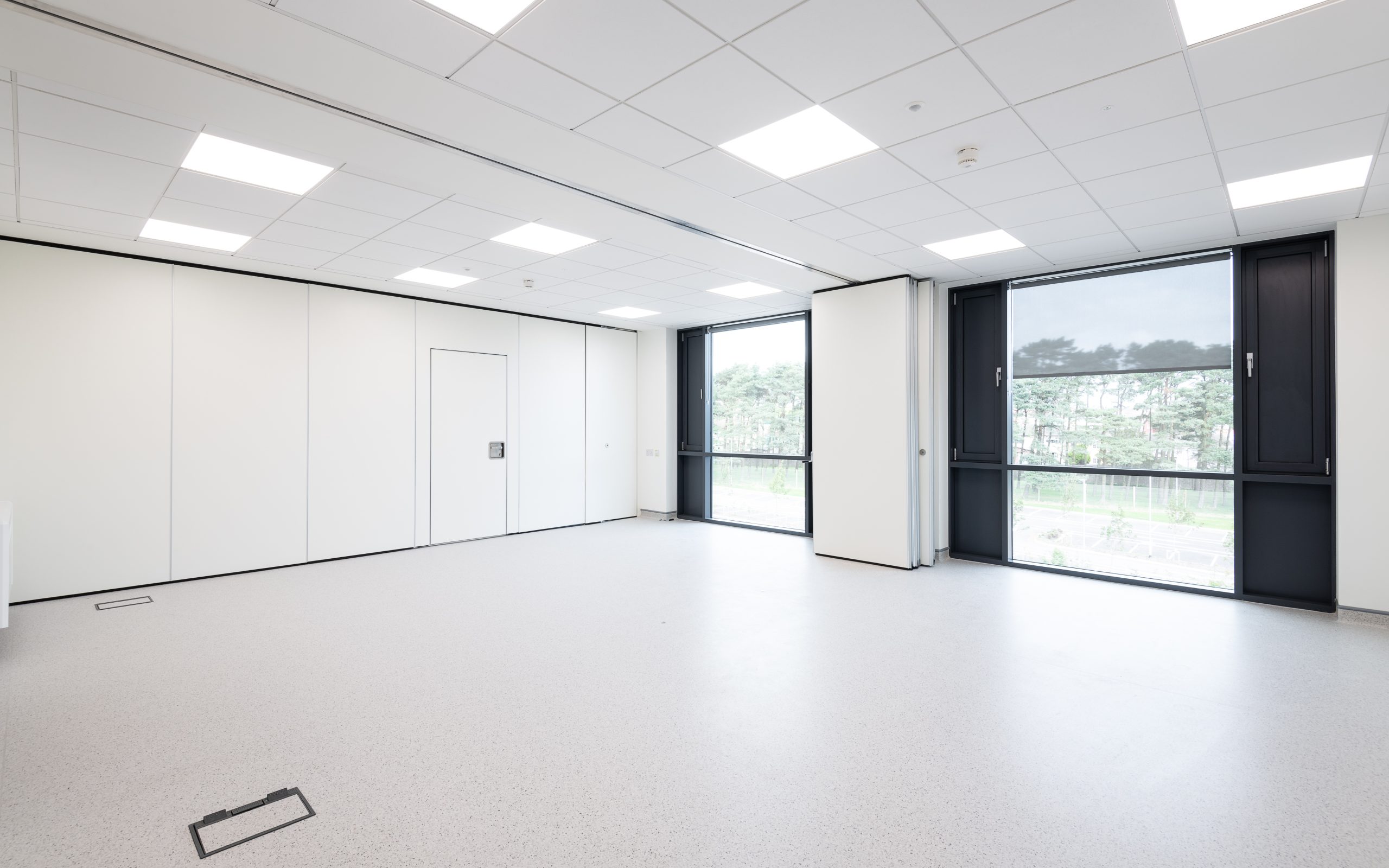
Understanding the Structural Design of Foldable Partition Walls
A foldable partition wall is engineered to divide space through movable panels that fold, slide, or stack together. Unlike traditional masonry walls, these systems rely on tracks, hinges, and lightweight framing structures to function smoothly.
The structural design typically includes:
- Top-mounted track systems that support panel weight
- Bottom guide rails for stability and alignment
- Hinged panel connections allowing compact folding
- Rolling mechanisms for smooth movement
Many modern systems, including variations of a foldable partition wall, are designed to minimize floor disruption by using ceiling-supported tracks. This approach reduces the need for heavy construction while maintaining structural stability.
When evaluating structural design, consider load distribution, ceiling strength, and panel weight. Heavier panels may require reinforced ceiling support, while lightweight systems can integrate into standard interior framing.
Key Differences Between Temporary and Permanent Partition Systems
Understanding the distinction between temporary and permanent partitions helps determine which system best meets your needs.
Temporary Partition Systems
- Designed for flexibility and easy reconfiguration
- Lightweight construction
- Minimal structural modifications required
- Ideal for rental properties and multipurpose spaces
Permanent Partition Systems
- Fixed installation with limited mobility
- Often integrated into the building framework
- Provide stronger acoustic insulation
- Less adaptable once installed
Foldable partition walls fall into the flexible category, offering the advantages of temporary systems while maintaining structural integrity. They provide a middle ground between open-plan layouts and permanent walls.
Choosing between temporary and more fixed options depends on:
- Frequency of layout changes
- Privacy requirements
- Structural constraints
- Long-term space planning goals
Material Options and Their Impact on Interior Aesthetics
Material selection plays a central role in both the functionality and appearance of a partition wall. Different materials influence light flow, sound control, durability, and visual harmony.
Common Material Choices
- Wood panels: Offer warmth and natural texture
- Glass panels: Allow light transmission and maintain openness
- PVC or vinyl panels: Lightweight and easy to maintain
- Composite materials: Durable with customizable finishes
A wooden partition is often selected for residential interiors where a natural and cohesive design aesthetic is desired. Wood complements various styles, from minimalist to traditional, and can be customized with stains or finishes to match existing décor.
Glass partitions, on the other hand, work well in offices where transparency and collaboration are prioritized. Frosted or textured glass options provide privacy without blocking light.
When choosing materials, consider:
- Environmental exposure (humidity, temperature changes)
- Maintenance requirements
- Desired level of transparency
- Overall interior theme
Space Planning Principles for Flexible Interior Layouts
Effective space planning ensures that a foldable partition wall enhances functionality rather than restricts movement. The goal is to create adaptable zones while preserving comfort and accessibility.
Key Planning Steps
- Assess the primary function of the space
Determine how the area is used daily and during special occasions. - Define zones clearly
Identify where separation is required and where openness should remain. - Measure accurately
Record ceiling height, wall width, and available folding space. - Plan for storage position
Ensure folded panels do not obstruct pathways or furniture.
In dynamic urban environments, particularly in regions recognized for innovative interiors dubai, space planning emphasizes seamless integration between architecture and functionality.
A well-planned partition wall should enhance circulation rather than interrupt it. The folded configuration must be as thoughtfully designed as the extended one.
Privacy, Lighting, and Ventilation Considerations
When selecting a foldable partition wall, privacy and environmental comfort are critical factors. While the primary purpose is spatial division, partitions also influence light flow and air circulation.
Privacy Considerations
- Solid panels offer complete visual separation
- Frosted glass provides partial privacy
- Slatted designs create semi-private zones
Lighting Impact
Opaque partitions may block natural light, potentially requiring additional artificial lighting. Glass or translucent materials help maintain brightness while still defining boundaries.
Ventilation Factors
Fully sealed partitions can restrict airflow. In residential spaces, this may impact comfort. Designs with small gaps or slatted structures allow better air movement without sacrificing separation.
Balancing privacy with environmental comfort ensures that the partition enhances usability rather than creating unintended discomfort.
Installation Process and Structural Support Requirements
The installation process for a foldable partition wall varies depending on the system type and building structure. Professional assessment is often recommended to ensure proper alignment and long-term durability.
Typical Installation Steps
- Site inspection and measurements
- Ceiling track installation
- Panel alignment and attachment
- Testing for smooth folding and locking mechanisms
Structural support is especially important for ceiling-mounted systems. The load-bearing capacity must be sufficient to handle repeated use without sagging or misalignment.
For heavier materials such as solid wood or insulated panels, additional reinforcement may be required. Lightweight PVC systems typically demand less structural modification.
Ensuring proper installation reduces mechanical wear and improves operational efficiency over time.
Common Mistakes to Avoid When Selecting a Partition Wall
Choosing the wrong partition wall can lead to functional and aesthetic challenges. Being aware of common mistakes helps prevent costly adjustments later.
Frequent Errors
- Ignoring ceiling load capacity
- Choosing materials unsuitable for humidity levels
- Overlooking acoustic requirements
- Failing to account for folded panel storage space
- Prioritizing appearance over functionality
Another common oversight is neglecting long-term adaptability. A system that suits current needs may not accommodate future layout changes. Considering scalability and versatility ensures the partition remains practical over time.
Careful evaluation before installation reduces structural issues and enhances overall satisfaction.
How Interior Themes Influence Partition Design Choices
Interior design themes significantly influence the type and style of foldable partition walls selected. The partition should complement the surrounding architecture rather than appear as an afterthought.
Modern and Minimalist Interiors
- Clean lines and neutral tones
- Glass or slim-profile panels
- Hidden track systems
Traditional Interiors
- Rich wood textures
- Decorative paneling
- Classic finishes
Industrial Styles
- Metal frames
- Exposed hardware
- Matte finishes
The partition’s design can either blend seamlessly into the background or serve as a focal point. The key is maintaining consistency in materials, color palette, and overall spatial balance.
A thoughtfully chosen foldable partition wall enhances visual harmony while maintaining practical functionality.
Conclusion
Selecting the right foldable partition wall involves more than choosing a visually appealing design. It requires careful evaluation of structure, materials, space planning, acoustic needs, and environmental factors. By understanding the distinctions between temporary and more permanent systems, considering privacy and lighting, and planning installation carefully, you can ensure the partition enhances both flexibility and comfort.
When properly chosen and installed, a foldable partition wall becomes a valuable architectural feature that supports adaptable living and working environments.
FAQs
1. What is a foldable partition wall used for?
A foldable partition wall is used to divide large spaces into smaller functional areas. It provides flexibility by allowing users to open or close spaces as needed.
2. How do partition walls affect room acoustics?
Partition walls can reduce noise transfer, especially when constructed with insulated panels or acoustic materials. However, they may not provide complete soundproofing like permanent walls.
3. What materials are best for interior partition walls?
The best material depends on the intended use. Wood offers warmth and durability, glass maintains light flow, and PVC provides lightweight convenience.
4. Are foldable walls suitable for commercial interiors?
Yes, they are commonly used in offices, conference centers, educational institutions, and hospitality venues where flexible space configuration is important.
5. How do you choose the right size partition wall?
Measure ceiling height and wall width carefully. Consider the folding storage space and ensure the system fits without obstructing movement.
6. Do partition walls require structural modifications?
Some systems, particularly ceiling-mounted designs, may require reinforcement to support panel weight. Lightweight systems typically need minimal structural changes.