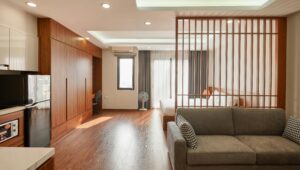
Interior layouts have evolved significantly over the years, moving from rigid room divisions to open-plan concepts that prioritize flow and flexibility. However, completely open spaces are not always practical. Privacy, noise control, and functional zoning often require thoughtful separation. This is where dividers play an essential role.
Choosing the right divider for interiors involves more than simply placing a partition in a room. It requires understanding spatial needs, material performance, design harmony, and long-term functionality. By exploring the various types, materials, and integration options available, homeowners can make informed decisions that enhance both usability and aesthetics.
What Is a Divider and How It Transforms Interior Layouts
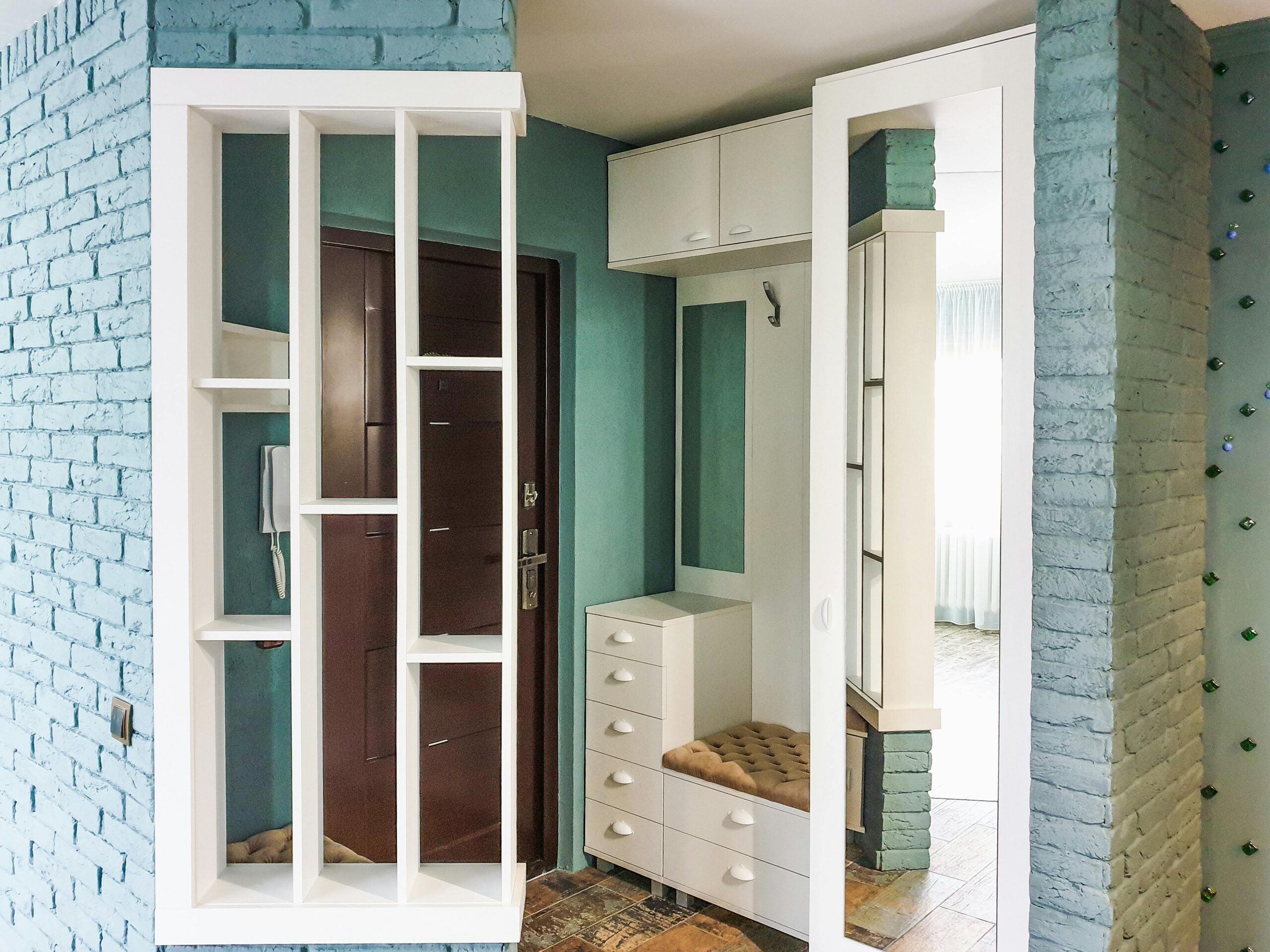
A divider is a structural or semi-structural element used to separate areas within a larger space. Unlike permanent load-bearing walls, dividers are typically lighter and more flexible in design. They can be fixed, sliding, folding, or even decorative screens.
In residential and commercial interiors, a divider helps:
- Create distinct functional zones within open-plan layouts
- Improve privacy between living areas
- Enhance spatial organization
- Provide a visual focal point
For example, a divider can separate a dining area from a living room without eliminating natural light or airflow. In offices, dividers can establish individual workspaces while maintaining collaborative openness.
By introducing subtle boundaries, dividers redefine how people interact with space while maintaining adaptability.
Different Types of Divider Systems Used in Modern Spaces
There are several types of divider systems available, each serving different functional and aesthetic purposes.
1. Fixed Partitions
Fixed partitions are semi-permanent structures attached to floors and ceilings. They offer strong separation but may require more installation work.
2. Sliding Dividers
Sliding systems operate on tracks and can be opened or closed as needed. These are ideal for spaces that require flexible zoning throughout the day.
3. Folding or Accordion Dividers
Folding panels collapse neatly to one side, making them suitable for compact areas where space-saving is important.
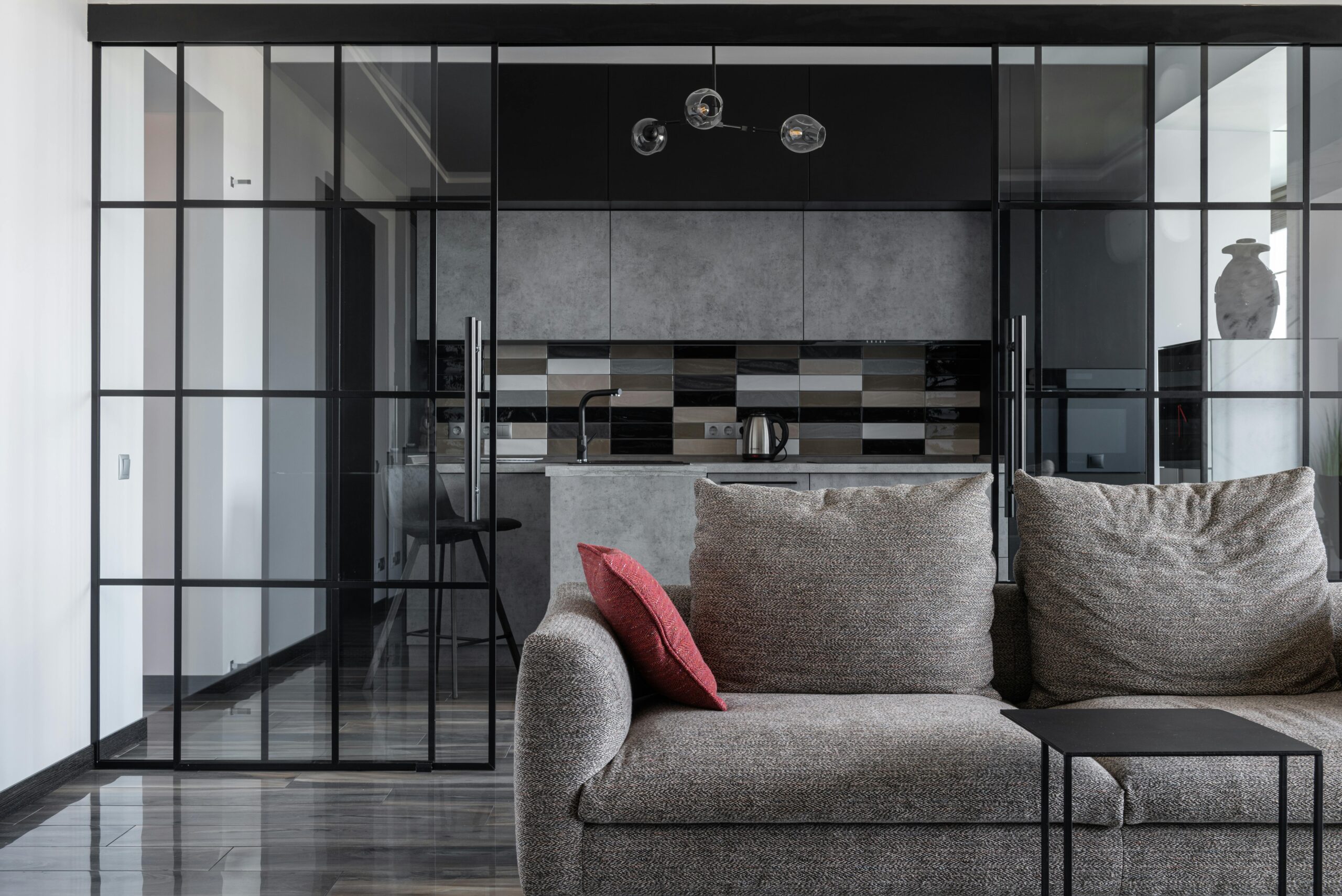
4. Glass Dividers
Glass partitions maintain visual openness while defining space. Frosted or tinted finishes can enhance privacy without blocking light.
5. Decorative Screens
These are often used as design elements. They may not provide full privacy but add depth, texture, and character to interiors.
Choosing among these systems depends on:
- Desired level of privacy
- Structural limitations
- Lighting considerations
- Long-term flexibility requirements
Understanding how each type functions ensures better alignment with interior goals.
Functional Benefits of Installing Dividers in Homes and Offices
Dividers are not purely aesthetic additions; they serve several practical purposes.
Improved Space Zoning
In open-plan homes, dividers help define specific areas such as:
- Dining zones
- Workspaces
- Reading corners
- Entertainment areas
This organization enhances comfort and efficiency.
Enhanced Privacy
Dividers provide separation without the permanence of full walls. This is especially helpful in shared living situations or hybrid work environments.
Better Acoustic Control
While not always fully soundproof, certain divider systems can reduce noise levels between spaces, improving concentration and relaxation.
Flexible Layout Adjustments
Sliding or folding systems allow users to modify space configurations quickly, adapting to different activities throughout the day.
In commercial environments, these functional benefits contribute to improved workflow and productivity.
How Materials Impact Durability and Visual Appeal of Dividers
Material selection plays a critical role in the performance and appearance of dividers.
Wood
Wood provides warmth and natural texture. It works well in traditional, rustic, and transitional interiors. However, it may require maintenance in humid climates.
Glass
Glass enhances brightness and openness. Frosted or patterned options add privacy while maintaining light flow.
Metal
Metal frames or panels offer a sleek, industrial aesthetic. They are highly durable and suitable for modern interiors.
Gypsum and Plaster-Based Systems
Gypsum-based structures are commonly used for more solid partitions. When incorporating interior gypsum work, homeowners can create seamless, built-in dividers that integrate with ceilings and walls for a cohesive design.
Composite and PVC Materials
These materials are lightweight, moisture-resistant, and practical for areas exposed to humidity.
Selecting the right material involves considering:
- Environmental conditions
- Maintenance requirements
- Desired longevity
- Design harmony with existing finishes
A balanced approach ensures that the divider performs well while enhancing the overall aesthetic.
Integrating Dividers with Gypsum and Decorative Wall Features
For a cohesive interior, dividers should not feel like afterthoughts. Instead, they should integrate seamlessly with surrounding architectural features.
Coordinating with Ceiling Designs
Gypsum ceilings can be extended to visually connect with divider structures, creating a unified look.
Adding Decorative Moldings
Incorporating design elements such as cornices and wall moldings enhances visual continuity. High-quality decorative profiles from providers like orac decor dubai can complement divider installations and elevate overall aesthetics.
Blending with Wall Treatments
Dividers can be designed to match paint finishes, textures, or paneling styles already present in the space.
Using Lighting to Enhance Structure
Integrated lighting within or around dividers:
- Highlights architectural details
- Improves ambiance
- Enhances depth perception
Thoughtful integration ensures that dividers become intentional design features rather than purely functional elements.
Privacy, Acoustics, and Space Optimization Considerations
When choosing a divider, privacy and acoustics are key concerns.
Visual Privacy Levels
Consider the purpose of the separation:
- For bedrooms or offices, opaque panels may be necessary.
- For living areas, semi-transparent options might be sufficient.
Acoustic Performance
If sound reduction is important, look for:
- Thicker panel materials
- Insulated cores
- Tight sealing systems
Although not all dividers are fully soundproof, strategic material selection can significantly reduce noise transfer.
Space Optimization
In compact homes, sliding or folding systems prevent wasted space caused by door swing clearance. Proper measurements are essential to ensure:
- Adequate clearance for movement
- Efficient use of floor area
- Smooth operational functionality
Optimizing space through careful planning maximizes both comfort and practicality.
Customization Possibilities for Unique Interior Concepts
Modern dividers can be customized to align with individual style preferences and functional needs.
Size and Proportion
Custom sizing ensures the divider fits precisely within the intended area without awkward gaps.
Finish and Color Selection
Homeowners can choose finishes that:
- Match flooring tones
- Coordinate with furniture
- Complement accent walls
Pattern and Texture Options
Laser-cut patterns, textured panels, or mixed-material designs add visual interest and depth.
Hybrid Designs
Combining materials such as glass and metal or gypsum and wood creates distinctive focal points that balance function with artistry.
Customization allows dividers to reflect personality while maintaining structural integrity and practical value.
Maintenance and Longevity Factors for Interior Dividers
Proper maintenance ensures that dividers remain functional and visually appealing over time.
Regular Cleaning
Different materials require specific cleaning approaches:
- Glass: Non-abrasive glass cleaners
- Wood: Gentle dusting and occasional polishing
- Metal: Soft cloth cleaning to prevent scratches
Hardware Inspection
Sliding tracks, hinges, and fasteners should be checked periodically to ensure smooth operation and structural stability.
Environmental Awareness
Humidity, temperature fluctuations, and direct sunlight can impact certain materials. Selecting suitable materials for the environment extends longevity.
With proper care, well-designed dividers can serve interior spaces effectively for many years.
Conclusion
Choosing the right divider for interiors requires careful evaluation of functionality, materials, integration, and long-term usability. Dividers transform open layouts into adaptable, organized spaces while preserving design flow and natural light.
By understanding the different systems available, assessing privacy and acoustic needs, and integrating decorative elements thoughtfully, homeowners can create interiors that balance flexibility with aesthetic harmony. A well-selected divider enhances both daily living and overall spatial efficiency.
FAQs
1. What is the purpose of installing a divider in a room?
A divider helps define separate functional zones within a larger space, improving organization, privacy, and overall layout efficiency.
2. Are dividers permanent or temporary structures?
Dividers can be either semi-permanent or flexible, depending on the system chosen. Sliding and folding options offer greater adaptability.
3. Which materials are commonly used for interior dividers?
Common materials include wood, glass, metal, gypsum, and composite panels, each offering unique functional and aesthetic benefits.
4. Can dividers improve sound insulation in open spaces?
While not all dividers are fully soundproof, certain materials and thicker panel designs can significantly reduce noise transmission.
5. How do decorative elements enhance the look of a divider?
Decorative moldings, textures, patterns, and integrated lighting can transform a simple divider into a cohesive architectural feature within the interior design.