
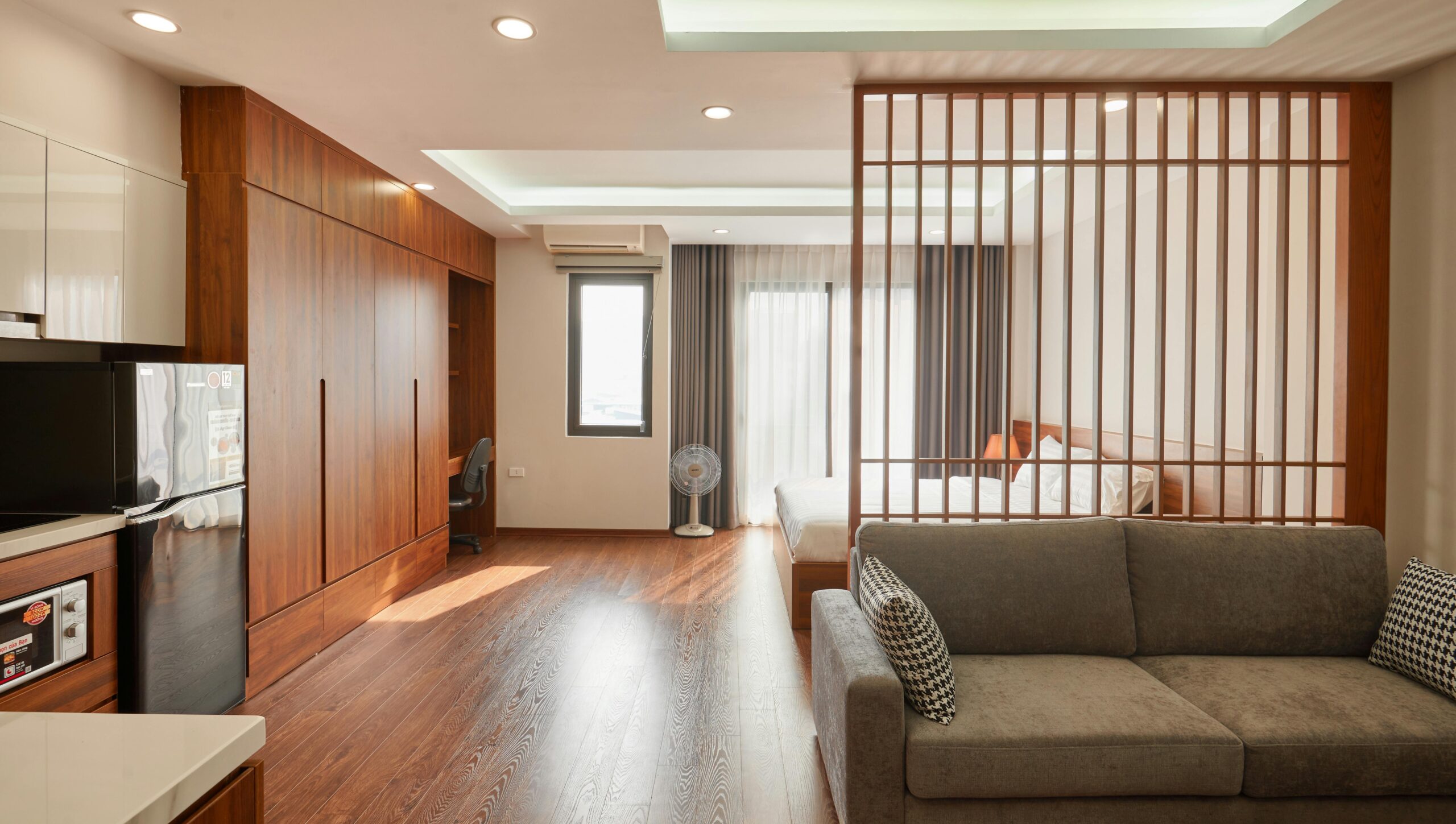
Modern interiors increasingly prioritize flexibility, efficiency, and smart use of available space. As living environments become more compact and multifunctional, homeowners and designers look for practical solutions that allow rooms to adapt quickly to changing needs. One such solution that has gained attention in residential and commercial settings is PVC-based partition systems.
PVC room divider panels offer a lightweight and adaptable way to divide areas without permanent structural changes. They are commonly used to create privacy, improve space organization, and enhance design flow while maintaining openness when needed. Understanding how these systems function and where they work best can help homeowners make informed layout decisions.
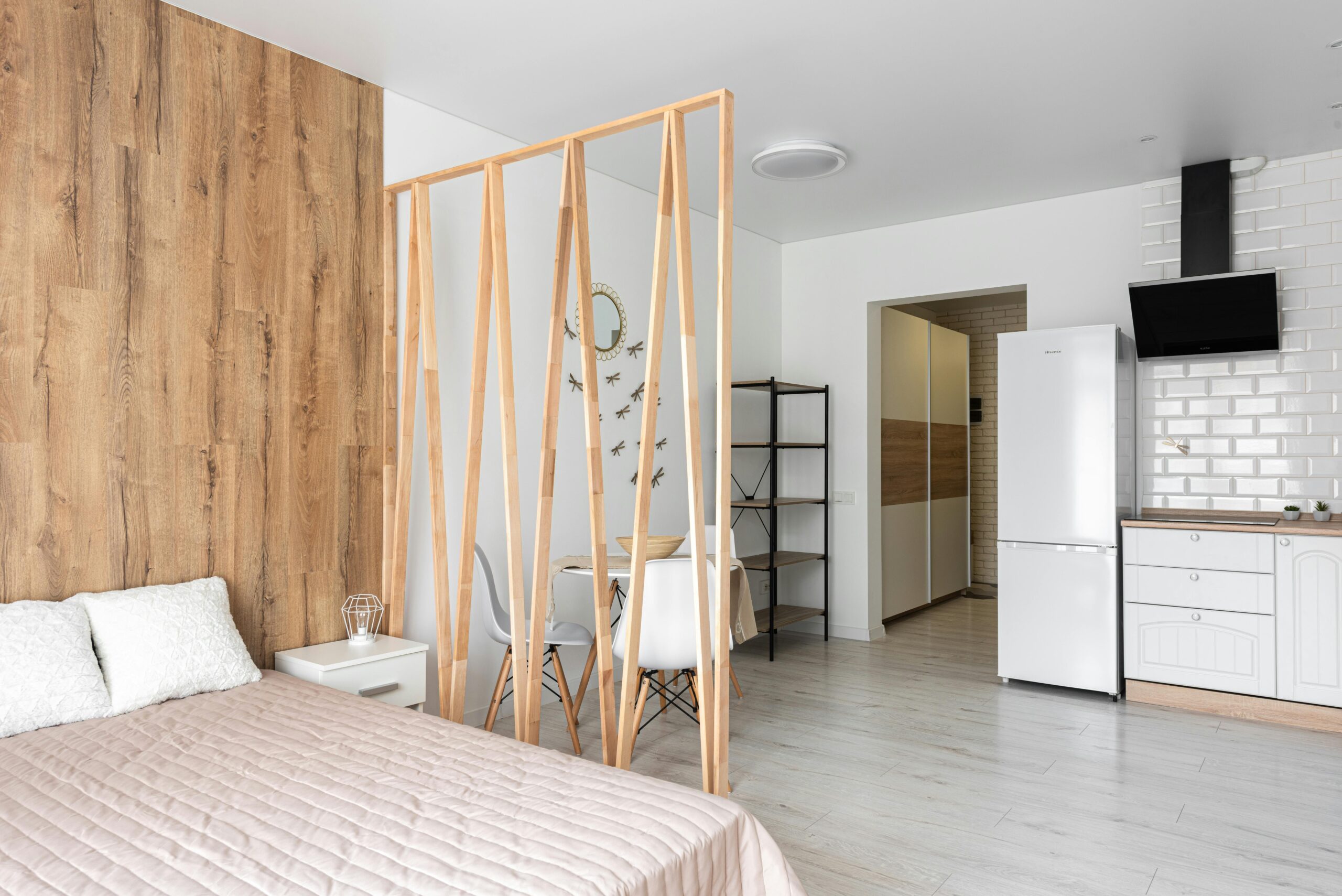
What Are PVC Room Divider Panels and How Do They Work in Modern Interiors
PVC room divider panels are partition systems made from polyvinyl chloride, a durable synthetic plastic polymer known for its lightweight and moisture-resistant properties. These panels are designed to create temporary or semi-permanent divisions within interior spaces without the need for traditional brick or drywall construction.
In many homes and offices, pvc room divider panels operate through sliding, folding, or accordion-style mechanisms. This design allows them to expand and retract easily, making it simple to open up or close off areas depending on the situation.
Their functionality typically includes:
- Track-mounted systems for smooth sliding movement
- Folding hinges that collapse panels neatly to one side
- Locking features for added stability and privacy
- Lightweight construction for easy manual operation
These systems are particularly valuable in multipurpose spaces, such as studio apartments, shared bedrooms, or offices where flexibility is essential.
Key Functional Benefits of Using PVC Panels for Space Division
PVC partition systems offer several practical advantages that go beyond simply separating a room.
1. Lightweight and Easy Installation
Unlike traditional masonry or drywall partitions, PVC panels are relatively easy to install. They do not require extensive structural modifications, making them ideal for rental properties or spaces where permanent changes are not preferred.
2. Moisture Resistance
PVC is naturally resistant to moisture and humidity. This makes it suitable for:
- Kitchens
- Laundry areas
- Bathrooms
- Coastal environments
It helps prevent warping, swelling, or mold development compared to certain wood-based alternatives.
3. Cost-Effective Space Optimization
Instead of investing in major remodeling, homeowners can use PVC panels to redefine spaces quickly and efficiently. They provide a practical way to maximize usable square footage without complex construction work.
4. Flexibility in Layout Design
Because many systems are retractable, users can:
- Expand a living room for gatherings
- Close off a workspace for privacy
- Divide a bedroom into separate functional zones
This adaptability supports modern living patterns where rooms often serve multiple purposes.
Where PVC Room Divider Panels Are Commonly Installed in Homes
PVC divider panels are versatile and can be installed in a variety of interior environments.
Studio Apartments
In small apartments, one large room often serves as a living room, bedroom, and office. PVC panels help define zones without permanently reducing openness.
Living and Dining Areas
Open-plan layouts are popular, but sometimes temporary separation is needed. For example:
- Creating a private dining experience
- Hiding kitchen clutter during gatherings
- Reducing noise between spaces
Bedrooms
PVC dividers can create a dressing area or study corner within a bedroom, offering added privacy while maintaining flexibility.
Home Offices
With remote work becoming more common, homeowners often need dedicated workspaces. PVC panels allow for temporary office setups that can be folded away after working hours.
Commercial Interiors
Offices, clinics, and educational institutions also benefit from PVC partition systems due to their practicality and ease of reconfiguration.
Differences Between PVC Panels and Traditional Partition Walls
Understanding how PVC panels compare to traditional partition walls helps clarify their role in modern design.
Construction Method
Traditional walls require:
- Framing
- Drywall installation
- Plastering and painting
- Electrical adjustments
PVC panels, in contrast, are typically mounted on tracks or frames with minimal structural disruption.
Permanence
Traditional walls are permanent and involve significant renovation if removed. PVC panels offer flexibility, as many systems are designed for easy removal or repositioning.
Weight and Structural Load
PVC panels are lightweight and exert minimal load on floors and ceilings. This makes them suitable for buildings where heavy structural additions may not be feasible.
Design Integration
Traditional walls can support heavy finishes such as stone wall cladding, which provides a natural, textured aesthetic. PVC panels, while versatile in design, are generally more focused on lightweight decorative finishes and practical functionality.
Each option has its place, depending on the long-term goals and structural considerations of the space.
Design Styles and Finishing Options Available in PVC Dividers
Modern PVC panels are available in a wide range of finishes and styles to complement different interior themes.
Surface Finishes
Common options include:
- Matte finishes
- Glossy finishes
- Wood-look laminates
- Textured surfaces
- Neutral and bold color palettes
These finishes allow PVC panels to blend with contemporary, minimalist, or even transitional interiors.
Patterned and Decorative Panels
Some systems include cut-out patterns or translucent sections that allow light to pass through while maintaining separation. This is particularly useful in smaller spaces where maintaining brightness is important.
Customization Possibilities
Homeowners may choose panels that:
- Match flooring tones
- Complement furniture elements
- Coordinate with metallic accents such as metal table legs in dining or workspace areas
This level of customization helps ensure that partitions feel integrated rather than visually disruptive.
Maintenance Requirements and Long-Term Durability Expectations
PVC panels are generally low-maintenance compared to many other partition materials.
Cleaning
Routine maintenance typically involves:
- Wiping with a damp cloth
- Using mild, non-abrasive cleaners
- Avoiding harsh chemicals that may damage finishes
Their smooth surfaces make them easy to clean and suitable for high-traffic environments.
Durability
PVC is resistant to:
- Termite damage
- Moisture-related swelling
- Minor surface scratches
However, like any material, it can show wear over time, particularly in areas with heavy use. Proper handling of sliding or folding mechanisms helps extend system lifespan.
Hardware Maintenance
Tracks and hinges should be inspected periodically to ensure smooth operation. Dust accumulation in tracks can affect performance, so regular cleaning is recommended.
Acoustic and Privacy Advantages in Residential Settings
While PVC panels are not a complete substitute for insulated walls, they can offer meaningful improvements in privacy.
Visual Privacy
When closed, panels create clear separation between spaces, reducing visual distractions and improving focus.
Sound Reduction
Certain PVC systems include layered or thicker designs that help reduce sound transmission. Although they may not provide full soundproofing, they can:
- Muffle conversations
- Reduce background noise
- Improve concentration in workspaces
Flexible Privacy Control
The ability to open or close panels on demand allows users to adjust privacy levels depending on activity, time of day, or household needs.
How PVC Divider Systems Improve Space Flexibility
One of the primary advantages of PVC divider systems is their contribution to adaptable living.
Supporting Multifunctional Rooms
Rooms today often serve multiple roles. A living room might double as:
- A study area
- A guest sleeping space
- A play zone for children
PVC panels allow these transformations to happen quickly without rearranging heavy furniture.
Enhancing Space Efficiency
Instead of building fixed rooms that limit layout options, flexible dividers help maximize available square footage. This is especially valuable in urban environments where space is limited.
Adapting to Changing Needs
As households evolve—whether due to remote work, growing families, or new lifestyle patterns—PVC dividers offer a practical way to adjust room configurations without major renovation.
Conclusion
PVC room divider panels represent a practical solution for modern interior spaces that require flexibility and efficient use of space. Their lightweight structure, ease of installation, and moisture resistance make them suitable for a variety of environments, from small apartments to commercial interiors.
While they differ from traditional partition walls in permanence and structural capability, PVC panels excel in adaptability and convenience. By understanding their functionality, maintenance requirements, and design possibilities, homeowners can make informed decisions about integrating them into their interiors.
FAQs
1. What materials are PVC room divider panels made from?
PVC room divider panels are made from polyvinyl chloride, a durable plastic polymer known for its lightweight, moisture-resistant, and low-maintenance properties.
2. Are PVC room dividers suitable for small apartments?
Yes, PVC dividers are especially suitable for small apartments because they allow flexible zoning without permanently reducing open space.
3. How durable are PVC divider panels in humid environments?
PVC performs well in humid conditions as it resists moisture, swelling, and mold growth, making it appropriate for kitchens, bathrooms, and coastal areas.
4. Can PVC panels help reduce noise between rooms?
While they are not fully soundproof, certain PVC panel designs can help reduce noise transmission and improve acoustic comfort within a space.
5. What are the maintenance requirements for PVC partitions?
Maintenance typically involves regular cleaning with a damp cloth and mild cleaners, along with occasional inspection of tracks and hinges to ensure smooth operation.