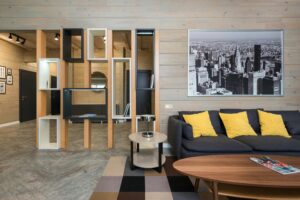
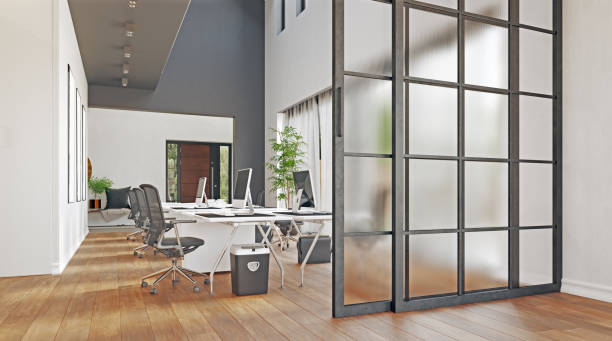
Modern interiors are no longer designed as static environments. Homes and commercial spaces are expected to adapt to different activities throughout the day. Whether it’s a living room that doubles as a guest area or a conference room that transforms into a training hall, flexibility has become a central principle of design.
One of the most effective tools for achieving adaptable interiors is the folding partition. These systems provide a practical way to divide spaces temporarily without committing to permanent structural changes. Understanding how they function and where they perform best helps homeowners and businesses make informed spatial decisions.
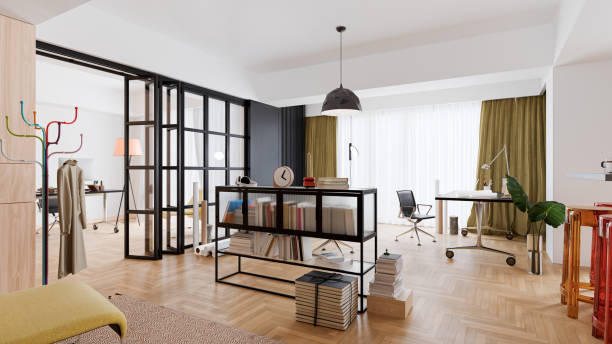
What Is a Folding Partition and How Does It Work in Interiors
A folding partition is a movable dividing system made of connected panels that collapse and expand as needed. Unlike fixed walls, folding partitions can be opened to create a larger unified space or closed to establish privacy and separation.
Most folding systems operate on:
- Overhead tracks
- Floor-guided rails
- Hinged panel mechanisms
- Accordion-style sliding designs
A professionally installed folding partition allows smooth operation while maintaining structural stability. These systems are commonly used in:
- Residential living areas
- Offices and meeting rooms
- Educational institutions
- Hospitality spaces
Their primary function is to provide temporary division without compromising accessibility or design continuity.
Benefits of Using Folding Systems for Multi-Purpose Rooms
Multi-purpose spaces require solutions that adapt quickly. Folding systems are particularly effective in such environments.
1. Space Efficiency
They eliminate the need for permanent walls, allowing a single room to serve multiple purposes.
2. Quick Transformation
Rooms can be reconfigured within minutes, making them suitable for events or daily schedule changes.
3. Improved Privacy
When closed, folding partitions provide visual separation for meetings, study areas, or private conversations.
4. Better Space Management
They help define functional zones without reducing overall square footage.
5. Aesthetic Integration
Modern folding systems are available in various finishes that complement existing interiors.
By incorporating folding partitions, interior layouts become dynamic rather than fixed.
Comparing Folding Partitions with Fixed Wall Dividers
Understanding the difference between folding partitions and permanent walls helps determine the right solution for specific needs.
Flexibility
- Folding partitions: Adjustable and movable
- Fixed walls: Permanent and static
Installation
- Folding systems: Faster installation with minimal construction
- Fixed walls: Require masonry, structural planning, and longer timelines
Adaptability
- Folding systems: Suitable for changing room functions
- Fixed walls: Best for permanent layout requirements
Cost and Maintenance
- Folding systems: Easier to maintain and modify
- Fixed walls: Higher modification effort if redesign is needed
While fixed walls offer strong sound insulation and permanence, folding systems provide unmatched versatility in adaptable interiors.
How Wooden Partition Walls Enhance Living Room Layouts
Living rooms often serve multiple roles, from family gatherings to work-from-home setups. Integrating partition solutions helps create defined yet connected spaces.
In residential interiors, wooden partition walls for living room applications introduce warmth and elegance. Wooden elements blend naturally with furniture, flooring, and décor, creating a cohesive look.
Benefits of wooden systems in living rooms include:
- Enhanced visual appeal through natural textures
- Partial privacy without complete enclosure
- Decorative patterns that double as design features
- Improved spatial organization
Wooden partitions can also act as subtle dividers between dining and living areas, maintaining openness while clarifying boundaries.
Design Considerations Before Installing Folding Dividers
Before installing folding systems, several design factors must be evaluated to ensure functionality and longevity.
Structural Support
The ceiling or wall must support the track system securely.
Material Selection
Materials influence durability, weight, and appearance. Options include PVC, wood, glass, or composite panels.
Acoustic Needs
If privacy is important, thicker panels with sound-dampening properties should be considered.
Lighting and Ventilation
Partitions should not block natural light or restrict airflow unnecessarily.
Frequency of Use
High-traffic areas require durable hardware and strong track mechanisms.
Considering these factors helps prevent operational issues and ensures the partition system complements the interior rather than disrupting it.
Space Planning Ideas for Homes and Commercial Interiors
Folding partitions can be used creatively in a variety of settings.
In Homes
- Dividing open-plan living and dining areas
- Creating temporary guest sleeping zones
- Separating home offices from relaxation spaces
- Partitioning children’s play areas
In Offices
- Converting conference rooms into training halls
- Creating breakout spaces for team collaboration
- Establishing temporary project rooms
In Hospitality Settings
- Dividing banquet halls for simultaneous events
- Adjusting restaurant layouts based on guest flow
Proper planning allows designers to maintain spatial fluidity while meeting changing functional demands.
Structural Support Elements Including Table Legs in Modern Designs
In multi-functional interiors, furniture stability is just as important as partition flexibility. Structural elements such as sturdy bases and support systems contribute to overall safety and durability.
For example, robust table legs dubai options play a crucial role in maintaining balance in adaptable spaces. When partitions shift or spaces are rearranged, furniture must remain stable and well-supported.
Key considerations for structural elements include:
- Weight-bearing capacity
- Material durability
- Resistance to corrosion or wear
- Compatibility with modern interior styles
Combining flexible partitions with strong structural components ensures both mobility and safety in evolving environments.
Maintenance and Durability Factors of Folding Partition Systems
Long-term performance depends on proper care and quality materials.
Regular Cleaning
Dust and debris should be removed from tracks and hinges to prevent jamming.
Hardware Inspection
Periodic checks ensure rollers, hinges, and locks function smoothly.
Material Care
Different materials require specific maintenance routines:
- Wood: Occasional polishing
- PVC: Wiping with mild cleaning agents
- Glass panels: Regular streak-free cleaning
Avoiding Excessive Force
Proper operation prevents damage to folding mechanisms.
With routine maintenance, folding partitions can remain efficient and visually appealing for many years.
Conclusion
Folding partitions are an effective solution for creating flexible, adaptable spaces in both residential and commercial interiors. They allow rooms to transform according to daily needs without permanent construction. From enhancing living room layouts to enabling multi-purpose office environments, these systems combine functionality with design versatility.
By carefully considering materials, structural support, and layout planning, folding partitions can significantly improve how spaces are used and experienced.
FAQs
What is a folding partition used for?
A folding partition is used to temporarily divide large spaces into smaller functional areas while maintaining the option to reopen the space when needed.
Are folding partitions suitable for living rooms?
Yes, folding partitions are ideal for living rooms that serve multiple purposes, such as combining entertainment, dining, or work-from-home activities.
How durable are folding partition systems?
Durability depends on material quality and maintenance, but well-installed systems can last for many years with proper care.
Can folding partitions provide sound insulation?
Some folding systems offer moderate sound insulation, especially when made from thicker or acoustic materials.
What factors should be considered before installation?
Key considerations include structural support, material choice, acoustic requirements, lighting impact, and frequency of use.