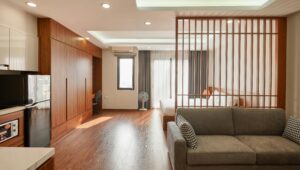
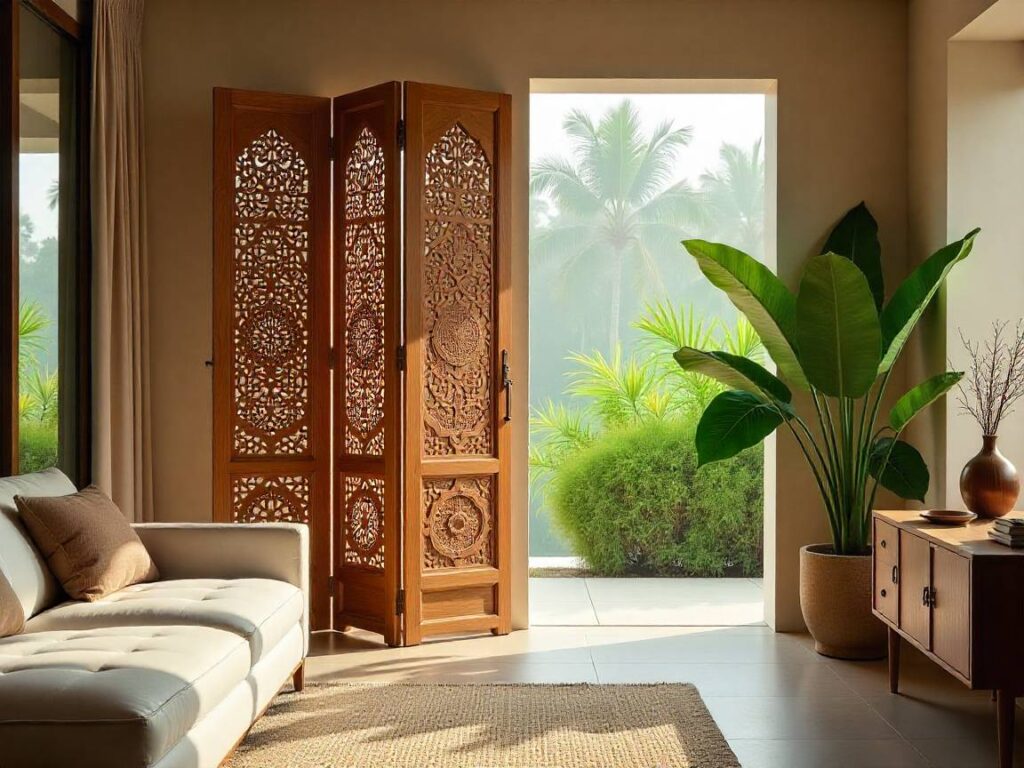
Designing a functional interior requires more than selecting furniture and color schemes. One of the most effective ways to enhance usability and comfort in a space is by incorporating room dividers. Whether in apartments, offices, or commercial settings, dividers help define zones without permanent structural changes.
Choosing the right divider involves understanding layout dynamics, material options, privacy requirements, and aesthetic goals. In rapidly evolving urban environments, flexible interior solutions allow spaces to adapt to changing needs while maintaining design harmony. This guide explores how to select the most suitable room divider solution for different interior settings.
Understanding the Purpose of Room Dividers in Modern Living Spaces
Room dividers serve multiple purposes beyond simple separation. In modern interiors, open-plan layouts are common, but they often require flexible boundaries to support daily activities.
Primary purposes of room dividers include:
- Creating private areas within shared spaces
- Reducing visual and noise distractions
- Defining functional zones such as work, dining, or relaxation
- Enhancing interior design aesthetics
- Improving space organization
For example, a studio apartment may require a divider to separate the sleeping area from the living space. In offices, dividers can distinguish collaborative zones from focused workstations.
Modern dividers are designed to maintain airflow and natural light while offering adjustable privacy. This balance is essential for maintaining comfort without sacrificing openness.
How to Evaluate Space Layout Before Installing Dividers
Before selecting a divider, it is important to assess the spatial layout carefully. Poor planning can lead to restricted movement, blocked light, or underutilized areas.
Follow these steps when evaluating your layout:
- Measure the Available Area
Accurate measurements help determine the appropriate size and type of divider. - Identify Functional Zones
Clarify which areas need separation and why. Is it for privacy, noise control, or visual organization? - Consider Traffic Flow
Ensure that walkways remain unobstructed after installation. - Analyze Lighting Conditions
Determine whether the divider should allow light to pass through or create full enclosure. - Assess Structural Support
Some systems require ceiling tracks or floor anchoring, so structural compatibility must be considered.
In spaces where adaptability is a priority, solutions such as a folding partition wall can provide flexible separation while allowing easy reconfiguration when needed.
Careful evaluation prevents costly adjustments later and ensures that the divider enhances functionality rather than limiting it.
Materials and Finishes That Complement Interior Design Themes
Material selection significantly influences both performance and visual appeal. Different materials serve different functional and stylistic purposes.
Wood
Wood offers warmth and elegance, making it suitable for residential interiors, executive offices, and hospitality settings. It blends well with both traditional and contemporary themes.
Glass
Glass dividers maintain openness and natural light. Frosted or tinted glass can enhance privacy while preserving brightness.
PVC and Composite Panels
Lightweight and low-maintenance, these materials are practical for high-traffic or moisture-prone areas.
Metal Frames
Often used in industrial or modern interiors, metal framing provides structural strength and a minimalist aesthetic.
For example, incorporating a wooden room divider dubai can create a visually striking feature while maintaining functional separation.
When selecting finishes, consider:
- Existing color palette
- Texture coordination
- Maintenance requirements
- Long-term durability
Choosing the right combination ensures that the divider enhances the overall design rather than appearing as an afterthought.
Benefits of Flexible Dividers in Apartments and Offices
Flexible dividers offer practical advantages in both residential and commercial environments.
In Apartments
- Maximize limited square footage
- Create multi-functional rooms
- Enhance privacy without permanent walls
- Allow easy reconfiguration for guests or remote work
In Offices
- Separate collaborative and focused work areas
- Improve acoustic control
- Support evolving team structures
- Adapt meeting spaces for different group sizes
Flexible systems are particularly valuable in urban environments where interior space must serve multiple roles throughout the day.
In many cases, tailored solutions like customized room dividers dubai help address specific spatial challenges while maintaining aesthetic consistency.
The adaptability of modern dividers supports changing lifestyles and business needs without requiring structural renovation.
Factors That Influence Privacy and Acoustic Performance
Privacy and sound control are often primary concerns when selecting a divider. Not all systems provide the same level of isolation.
Key factors affecting performance include:
Panel Thickness
Thicker panels generally provide better sound insulation.
Core Materials
Gypsum cores or acoustic infill materials reduce noise transmission more effectively than hollow panels.
Sealing Mechanisms
Proper sealing at edges and joints minimizes sound leakage.
Height and Coverage
Full-height dividers provide more privacy than partial screens.
When acoustic separation is critical, it may be necessary to combine divider systems with additional treatments such as acoustic panels or ceiling insulation.
Understanding performance specifications helps ensure that the chosen solution meets functional expectations.
Comparing Sliding, Folding, and Fixed Divider Options
Different divider mechanisms offer varying levels of flexibility and permanence.
Sliding Dividers
- Move horizontally along a track
- Ideal for larger openings
- Provide sleek and modern aesthetics
Folding Dividers
- Consist of hinged panels
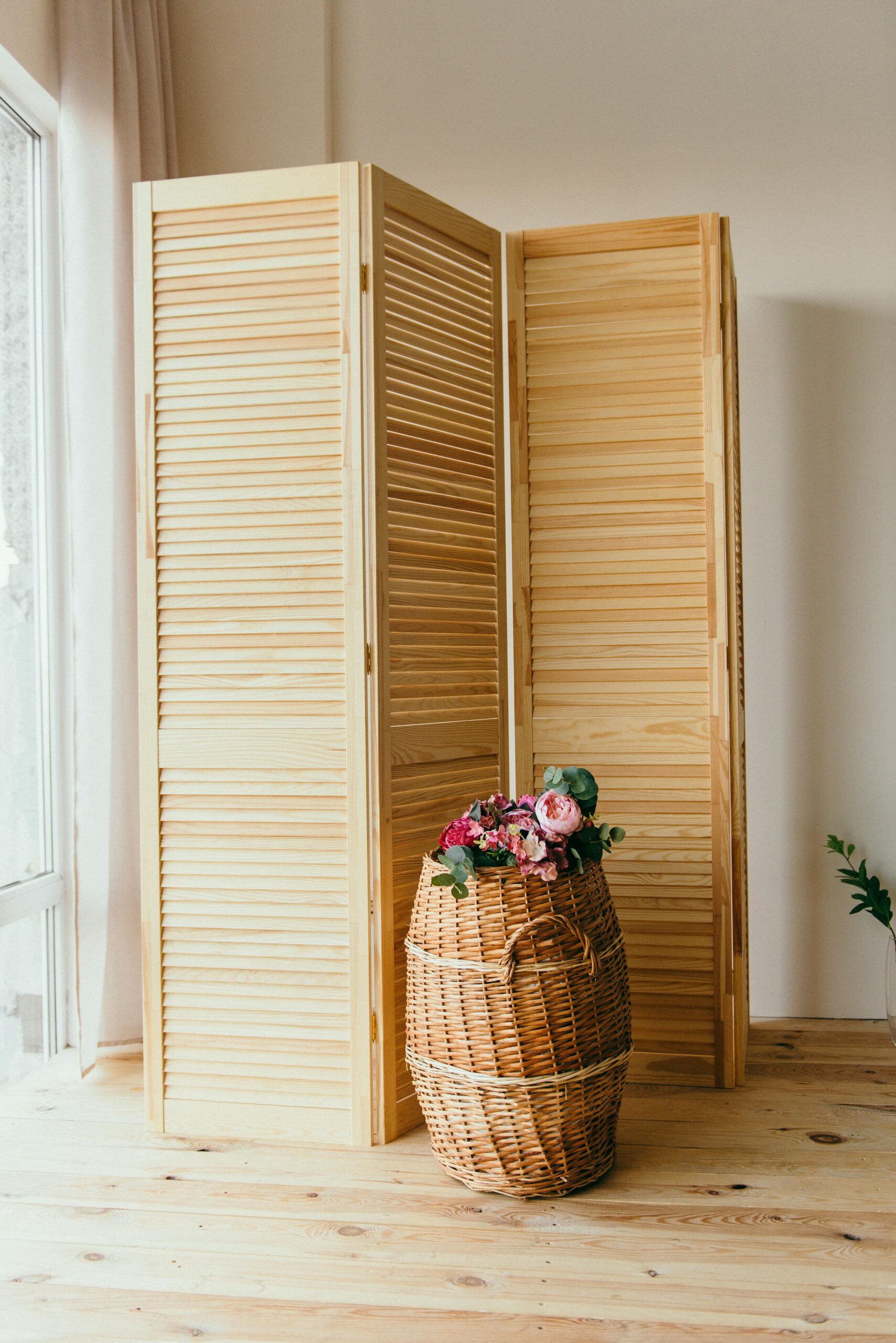
- Collapse compactly when not in use
- Suitable for spaces requiring frequent reconfiguration
Fixed Decorative Screens
- Semi-permanent structures
- Often used for visual separation rather than full privacy
- Enhance design aesthetics
When deciding between these options, consider:
- Frequency of use
- Required level of privacy
- Available wall or ceiling support
- Desired visual impact
Selecting the correct mechanism ensures long-term convenience and user satisfaction.
Design Considerations for Maximizing Natural Light Flow
Maintaining natural light is essential for comfort and energy efficiency. Poorly selected dividers can create dark or confined environments.
To maximize light flow:
- Choose glass or semi-transparent panels
- Incorporate open-frame designs
- Use lighter color finishes
- Position dividers strategically to avoid blocking windows
Light plays a significant role in perceived space size. Transparent or partially open dividers preserve brightness while maintaining functional separation.
Balancing privacy and illumination is key to successful interior planning.
Maintenance and Durability of Interior Divider Solutions
Durability depends on material quality, installation accuracy, and maintenance practices.
Routine Cleaning
Dust and debris should be removed regularly from tracks and panel surfaces to ensure smooth operation.
Hardware Inspection
Check rollers, hinges, and locking systems periodically to prevent wear-related issues.
Surface Care
Different materials require different cleaning methods:
- Wood may need polishing or protective coatings
- Glass requires streak-free cleaners
- PVC panels can be wiped with mild solutions
Environmental Considerations
Humidity and temperature fluctuations can affect materials over time. Selecting climate-appropriate materials enhances longevity.
A well-maintained divider system can remain functional and visually appealing for many years.
Conclusion
Choosing the right room divider involves thoughtful evaluation of layout, material options, privacy requirements, and design goals. Modern divider systems provide flexibility that aligns with evolving residential and commercial needs. By carefully assessing space dynamics and performance expectations, property owners can select solutions that enhance both functionality and aesthetics. With the right planning, room dividers become valuable tools for creating adaptable and comfortable interior environments.
FAQs
1. What types of room dividers are best for apartments?
Lightweight folding or sliding systems are often ideal for apartments because they maximize flexibility without permanent construction.
2. How do dividers improve privacy without permanent walls?
They create physical and visual boundaries while maintaining adaptability, allowing spaces to open or close as needed.
3. Are wooden dividers suitable for modern interiors?
Yes, wooden dividers can complement both contemporary and traditional designs depending on finish and detailing.
4. Can room dividers be customized for unique layouts?
Many systems can be tailored in size, material, and finish to match specific spatial requirements.
5. What should be considered before installing a room divider?
Key considerations include available space, lighting, traffic flow, acoustic needs, and long-term flexibility.