
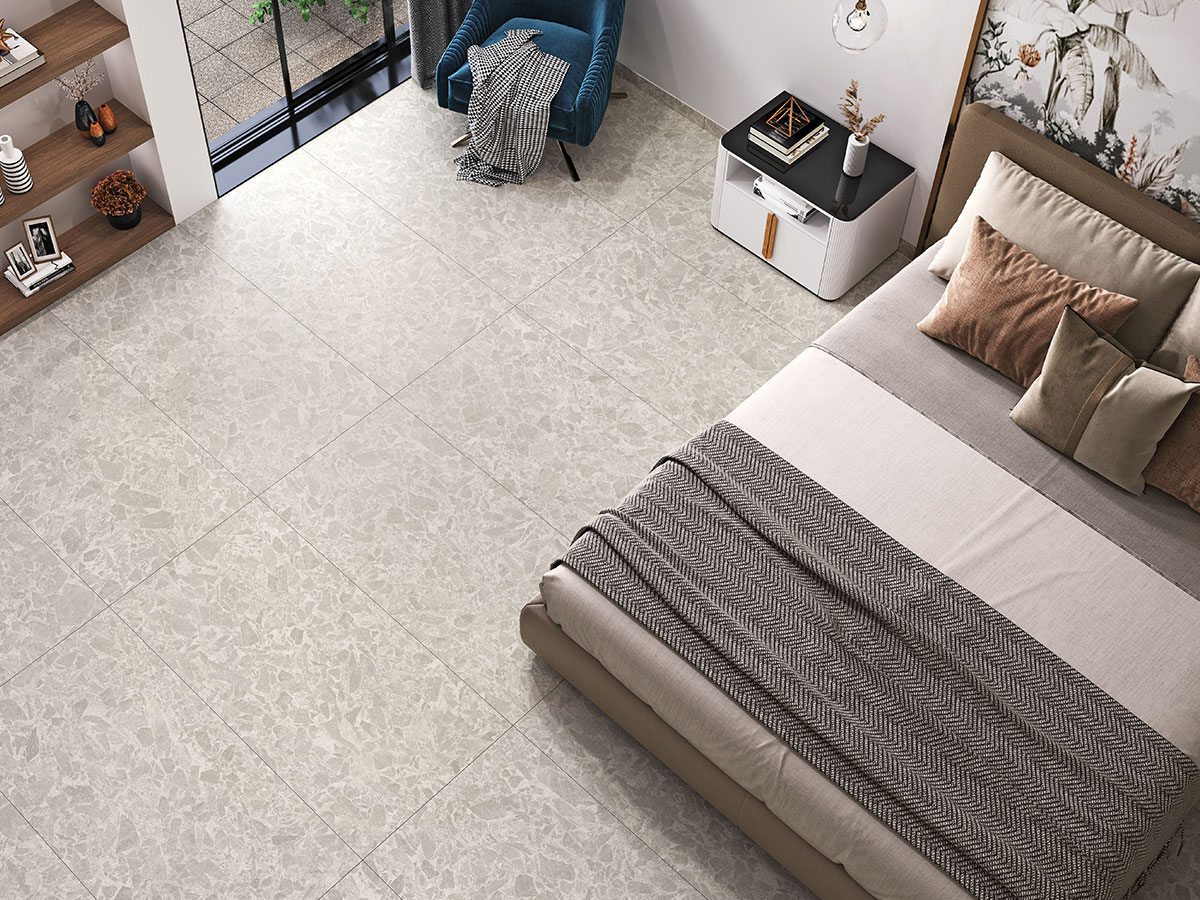
Marble has been used in architecture and interior design for centuries, admired for its elegance, natural veining, and timeless appeal. From ancient palaces to modern luxury homes, marble continues to be associated with sophistication and durability. But beyond its beauty, many homeowners and designers ask an important question: is marble flooring truly durable enough for everyday living?
Understanding marble flooring requires looking beyond its polished surface. Its composition, formation, performance characteristics, and maintenance needs all determine whether it is the right choice for a specific space. This guide explores what marble flooring is, how it compares to other materials, and what factors influence its long-term durability.
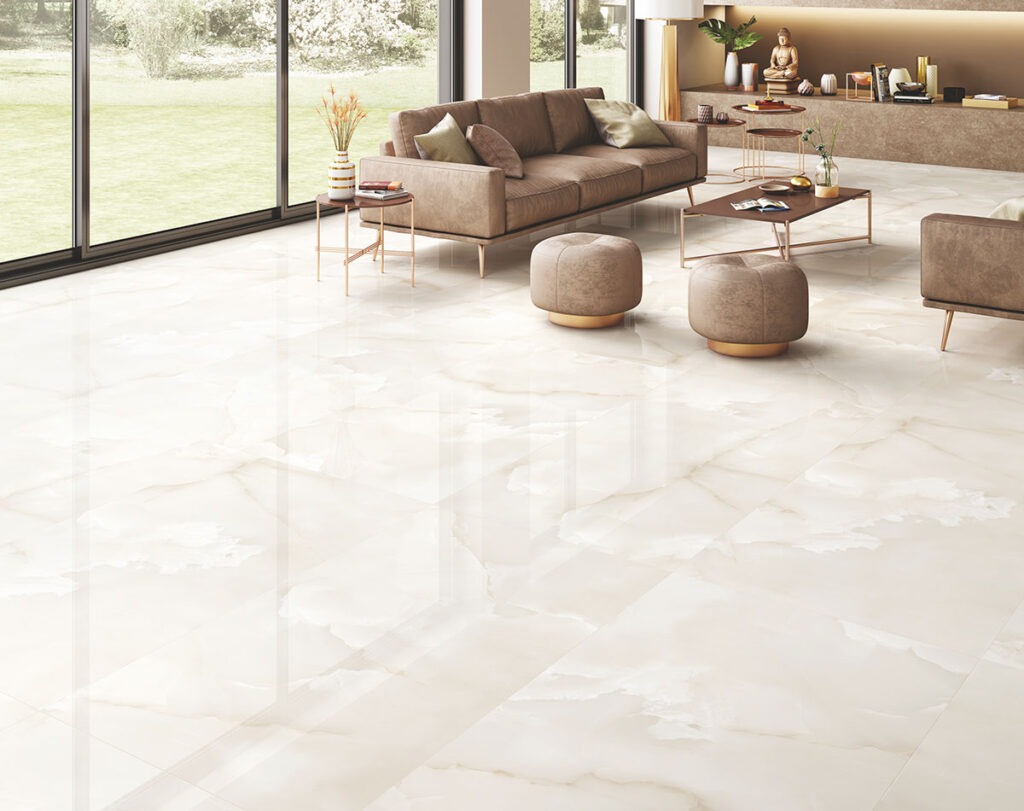
What Is Marble Flooring and How Is It Formed Naturally Over Time
Marble is a metamorphic rock formed when limestone is subjected to intense heat and pressure beneath the Earth’s surface. Over millions of years, this process transforms the mineral composition of limestone, creating a dense stone with unique crystalline structures and distinctive veining patterns.
Key characteristics of natural marble formation include:
- Recrystallization of calcite minerals
- Development of veining due to mineral impurities
- Increased density compared to original limestone
- Formation of varied color patterns
Because it is a natural material, no two marble slabs are identical. The variation in tone and veining is one of the reasons many homeowners choose marble flooring for residential and commercial interiors. Each installation becomes a unique design element shaped by geological history.
Key Characteristics That Make Marble a Popular Interior Flooring Choice
Marble flooring stands out due to a combination of aesthetic and functional properties. While appearance is often the initial attraction, performance features also contribute to its popularity.
Notable characteristics include:
- Natural elegance: Subtle veining and organic patterns enhance visual depth.
- Cool surface temperature: Ideal for warm climates due to its heat resistance.
- Light-reflective quality: Polished marble can brighten interiors.
- Longevity: With proper care, marble floors can last decades.
- Versatility: Available in multiple finishes such as polished, honed, or brushed.
These qualities make marble suitable for living rooms, entryways, hallways, and even certain commercial spaces. However, understanding how it compares to other flooring materials is essential before making an informed decision.
Comparing Marble With Other Natural Stone Flooring Materials
When choosing a stone floor, marble is often compared to alternatives like granite and terrazzo. Each material has unique structural properties and aesthetic differences.
Granite, for example, is an igneous rock formed from cooled magma. It is typically harder and more resistant to scratches than marble. Many homeowners who are evaluating stone surfaces also consider granite flooring because of its superior resistance to wear in high-traffic areas.
Key differences between marble and granite include:
- Marble is generally softer and more porous
- Granite has a speckled appearance rather than veining
- Marble is more prone to etching from acidic substances
- Granite often requires less frequent sealing
Terrazzo offers yet another comparison. Unlike natural stone slabs, terrazzo is a composite material made from marble chips, quartz, or glass set in cement or resin. Modern applications such as terrazzo flooring dubai are valued for durability and design flexibility, especially in contemporary interiors.
While marble excels in natural beauty, granite and terrazzo may outperform it in certain durability metrics. The best choice depends on aesthetic goals and functional needs.
Advantages and Disadvantages of Installing Marble Floors
Understanding both strengths and limitations is crucial before selecting marble as a flooring material.
Advantages
- Timeless aesthetic appeal that rarely goes out of style
- High property value perception due to its premium look
- Smooth and comfortable surface underfoot
- Compatibility with radiant heating systems
- Wide range of color and pattern variations
Disadvantages
- Porosity: Can absorb liquids if not properly sealed
- Susceptibility to scratching: Softer than some other stones
- Etching risk: Acidic substances may leave dull spots
- Regular maintenance requirements: Needs sealing and gentle cleaning
Durability largely depends on how the material is used and maintained. Marble can last for generations, but neglect may shorten its lifespan.
Maintenance Requirements and Long-Term Care Considerations
Proper care significantly influences the durability of marble flooring. Because marble is porous, routine sealing helps protect it from stains and moisture penetration.
Recommended maintenance practices:
- Seal periodically according to manufacturer recommendations.
- Clean spills immediately to prevent staining or etching.
- Use pH-neutral cleaners instead of acidic products.
- Avoid abrasive tools that may scratch the surface.
- Place protective pads under furniture to reduce friction damage.
Regular maintenance preserves both appearance and structural integrity. While marble requires more attention than some synthetic materials, its longevity can be impressive when properly cared for.
Ideal Areas in a Home Where Marble Flooring Performs Best
Not every room places the same demands on flooring materials. Marble performs best in areas where heavy impact and abrasion are limited.
Suitable spaces include:
- Living rooms
- Formal dining rooms
- Entry foyers
- Bedrooms
- Hallways
In bathrooms, marble can also be used effectively when moisture is controlled and sealing is maintained. However, kitchens may require more caution due to potential exposure to acidic substances.
Climate also plays a role. In warm regions, marble’s naturally cool surface temperature enhances comfort. In colder climates, pairing marble with underfloor heating improves usability.
Common Finishes, Textures, and Surface Treatments Explained
Marble flooring is available in several finishes, each affecting durability and appearance differently.
Polished Finish
- High gloss surface
- Enhances color depth and veining
- More prone to visible scratches
Honed Finish
- Matte or satin surface
- Less slippery than polished
- Hides minor scratches more effectively
Brushed or Tumbled Finish
- Textured surface
- Offers improved slip resistance
- Creates a rustic or aged look
Choosing the right finish influences how the floor performs in everyday conditions. For example, honed finishes are often preferred in high-traffic areas because they conceal wear better than highly polished surfaces.
Environmental Factors That Affect Marble Floor Longevity
Durability is not solely determined by the material itself. Environmental conditions significantly influence marble’s performance over time.
Key factors include:
- Humidity levels: Excess moisture may affect sealing performance.
- Temperature fluctuations: Extreme changes can cause expansion and contraction.
- Foot traffic intensity: High traffic accelerates surface wear.
- Exposure to sunlight: UV light may subtly affect coloration.
- Cleaning habits: Incorrect products can damage the finish.
In residential environments with moderate traffic and proper care, marble floors can remain intact and visually appealing for decades. In commercial spaces, more frequent maintenance may be necessary to preserve their appearance.
Understanding these environmental variables allows homeowners to anticipate potential challenges and implement preventive measures early.
Conclusion
Marble flooring combines natural elegance with long-term durability when installed and maintained correctly. Formed over millions of years, it offers a distinctive aesthetic that synthetic materials cannot fully replicate. While it may require more attentive care than harder stones like granite or composite materials such as terrazzo, its timeless appeal continues to make it a popular choice in residential and commercial interiors.
Durability ultimately depends on usage patterns, maintenance routines, and environmental conditions. By understanding its characteristics and limitations, homeowners can determine whether marble flooring aligns with their functional and aesthetic goals.
FAQs
1. What makes marble flooring different from other natural stones?
Marble is a metamorphic rock with distinctive veining patterns formed by mineral impurities. Unlike granite, which has a speckled appearance, marble typically displays flowing lines and softer color transitions.
2. Is marble flooring suitable for high-traffic areas?
It can be used in moderate traffic areas, but extremely high-traffic environments may show wear more quickly. Choosing a honed finish and maintaining proper sealing improves performance.
3. How do you maintain marble floors to prevent staining?
Regular sealing, immediate cleanup of spills, and the use of pH-neutral cleaning solutions help prevent staining and surface damage.
4. Does marble flooring increase home value?
Marble is often perceived as a premium material, and its aesthetic appeal can contribute positively to a property’s overall impression.
5. What are the common types of finishes available for marble?
Common finishes include polished, honed, and brushed or tumbled surfaces, each offering different visual and functional characteristics.