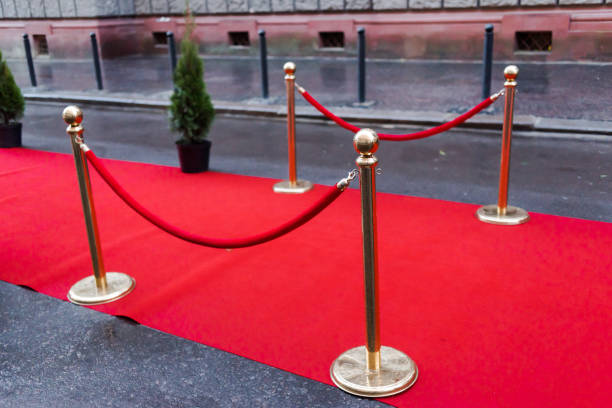
Temporary flooring plays a critical role in shaping the visual and functional success of exhibitions, trade shows, and corporate events. In a dynamic events industry like Dubai’s, flooring is not just a surface to walk on—it defines spatial organization, enhances brand presentation, and improves visitor comfort.
Exhibition carpets are specifically designed for short-term installations where appearance, safety, and ease of removal matter equally. From large-scale expos to boutique product launches, these carpets contribute to both aesthetics and performance. This article explores their purpose, materials, installation methods, safety aspects, and environmental considerations.
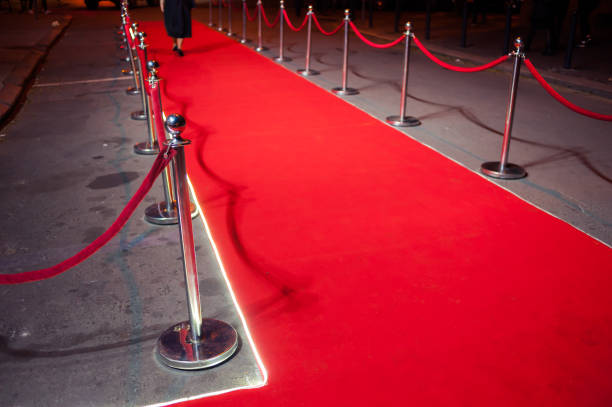
What Makes Exhibition Carpets Essential for Trade Shows and Corporate Events in Dubai
Exhibitions are high-traffic environments that require flooring solutions capable of withstanding continuous foot movement while maintaining a professional appearance. Exhibition carpets serve multiple essential functions:
- Create a defined and polished booth space
- Enhance visitor comfort during long events
- Reduce noise levels in crowded halls
- Protect underlying venue flooring
- Support brand identity through color coordination
In Dubai’s competitive events sector, presentation matters significantly. Organizers often rely on solutions such as exhibition carpets dubai to ensure consistency across event spaces while meeting venue guidelines.
Carpeting also helps create pathways, zones, and distinct functional areas within exhibition halls. Whether separating networking areas from product displays or highlighting VIP sections, carpet selection directly influences spatial perception.
Materials Commonly Used in Temporary Event Carpeting and Their Performance Differences
Exhibition carpets differ from residential or permanent commercial carpets. They are engineered for temporary use while maintaining durability and ease of installation.
Common materials include:
1. Needle-Punched Carpets
These are among the most popular options for exhibitions. They are lightweight, cost-effective, and easy to install and remove.
2. Polypropylene Carpets
Known for stain resistance and durability, polypropylene performs well under heavy foot traffic and is resistant to moisture.
3. Velour Finish Carpets
Velour carpets provide a more premium appearance with a softer surface texture, often used for high-end exhibitions and VIP lounges.
4. Foam-Backed Carpets
These provide added cushioning, improving comfort for both visitors and exhibitors who stand for extended periods.
Each material serves a specific purpose. For example:
- High-traffic zones require durable, tightly woven fibers.
- Presentation areas may prioritize aesthetic texture.
- Food service sections benefit from stain-resistant materials.
Selecting the appropriate material ensures the flooring aligns with the event’s functional demands.
How Flooring Choices Influence Visitor Experience and Brand Presentation
Flooring is often underestimated in event planning, yet it significantly shapes visitor perception. The color, texture, and quality of exhibition carpet can influence mood, comfort, and even brand recognition.
Visual Impact
Carpet colors are frequently chosen to align with brand identity. Bold shades can draw attention, while neutral tones create a professional backdrop.
Comfort and Accessibility
Soft, cushioned surfaces reduce fatigue for attendees and exhibitors. This is particularly important in events that span multiple days.
Noise Reduction
Carpets absorb sound, minimizing echo and creating a more comfortable acoustic environment. In busy exhibition halls, this can improve communication and overall experience.
Spatial Organization
Different carpet colors or textures can guide visitors through pathways and designated zones without the need for excessive signage.
By strategically selecting flooring, event planners can enhance both visual branding and functional usability.
Installation Methods and Surface Preparation for Event Carpet Stability
Proper installation is essential to ensure exhibition carpets remain secure and safe throughout the event.
The installation process typically includes:
Step 1: Surface Inspection
The venue floor is inspected to ensure it is clean, dry, and free from debris.
Step 2: Measurement and Layout Planning
Carpet rolls are measured and cut according to booth dimensions and layout plans.
Step 3: Adhesive Application
Adhesives or tapes are applied to secure the carpet in place. Products like carpet glue are often used to ensure strong bonding without damaging the underlying floor.
Step 4: Seam Alignment
Seams are carefully aligned and pressed to maintain a seamless appearance.
Step 5: Edge Finishing
Edges are trimmed neatly to prevent curling or tripping hazards.
Professional installation ensures that the carpet remains flat, secure, and visually consistent throughout the event duration.
Safety Considerations Including Slip Resistance and Adhesive Selection
Safety is a critical factor in any public event environment. Improper flooring can create hazards that compromise both attendee safety and event reputation.
Key safety considerations include:
- Slip resistance: Carpets must provide adequate grip to prevent slips.
- Fire compliance: Materials should meet fire safety standards required by venues.
- Secure adhesion: Loose carpets can cause tripping hazards.
- Edge visibility: Clear boundaries reduce the risk of accidental stumbling.
Adhesive selection plays a major role in safety. The bonding agent must be strong enough to prevent shifting but easy to remove after the event without leaving residue or damaging the venue floor.
Ensuring compliance with local safety regulations protects both organizers and attendees.
Environmental Considerations and Reusability of Event Carpets
Sustainability has become an increasingly important aspect of event planning. Since exhibition carpets are often temporary, environmental impact must be carefully considered.
Ways to improve sustainability include:
- Selecting recyclable materials
- Reusing carpets for multiple events
- Choosing durable options that withstand repeated installation
- Partnering with recycling facilities after events
Some event organizers now prioritize carpets made from recycled fibers. Others plan layouts strategically to minimize waste during cutting and trimming.
Reusability not only reduces environmental impact but also enhances logistical efficiency. Proper storage between events can extend the life of high-quality carpets.
Coordination Between Carpet Design and Overall Exhibition Booth Aesthetics
Exhibition carpets should not be selected in isolation. They must align with the broader booth design, including furniture, lighting, display units, and fixtures.
For example:
- Dark carpets may complement bright product displays.
- Neutral tones allow brand colors to stand out more prominently.
- Textured surfaces can add depth to minimalist booth designs.
In exhibition spaces that include functional elements such as seating areas or presentation zones with a bathroom vanity display, flooring should harmonize with surrounding structures to maintain visual consistency.
Design cohesion ensures that flooring enhances rather than distracts from the core exhibition message.
Post-Event Carpet Removal and Floor Protection Best Practices
Efficient removal is just as important as installation. Exhibition venues typically require floors to be restored to their original condition immediately after events.
Best practices for removal include:
- Carefully lifting edges to prevent tearing
- Removing adhesive residue promptly
- Rolling carpets neatly for potential reuse
- Inspecting the underlying floor for damage
- Cleaning and storing reusable materials properly
Using appropriate adhesives during installation simplifies the removal process and minimizes damage to venue surfaces.
Proper dismantling reduces labor time, avoids penalties from venues, and preserves materials for future events.
Conclusion
Exhibition carpets play a vital role in shaping event environments across Dubai. They enhance aesthetics, improve visitor comfort, support brand presentation, and protect venue flooring. From material selection to installation and removal, every stage influences both safety and visual impact.
By understanding performance characteristics, safety requirements, and sustainability considerations, event organizers can make informed decisions that align with their objectives. Whether for large expos or specialized trade shows, well-planned carpet solutions contribute significantly to the overall success of an event.
FAQs
1. Why are exhibition carpets important for events?
They enhance visual presentation, improve comfort, reduce noise, and protect underlying venue floors during high-traffic events.
2. What materials are commonly used for temporary carpets?
Needle-punched fibers, polypropylene, velour finishes, and foam-backed carpets are widely used due to their durability and ease of installation.
3. How are exhibition carpets installed securely?
They are measured, cut, and fixed using appropriate adhesives or tapes to prevent movement and ensure a flat, stable surface.
4. Can event carpets be reused for multiple exhibitions?
Yes, high-quality carpets can often be reused if carefully removed, cleaned, and stored properly after each event.
5. What safety factors should be considered when selecting event flooring?
Slip resistance, fire safety compliance, secure adhesion, and proper edge finishing are essential for maintaining a safe event environment.