Interior design in modern urban environments has evolved far beyond paint and wallpaper. Today, structured surface systems are widely used to enhance durability, insulation, and aesthetics in both residential and commercial spaces. In fast-growing metropolitan areas, wall finishing solutions are chosen not only for appearance but also for their performance in challenging climate conditions.
Understanding how wall panels function, what materials they use, and how they perform over time helps property owners and designers make informed decisions. This guide explores their structure, advantages, installation methods, and maintenance considerations, particularly in the context of Dubai’s architectural landscape.
What Are Wall Panels and How They Transform Interior Spaces in Modern Dubai Homes and Offices
Wall panels are pre-fabricated boards or sheets designed to cover interior walls for decorative, protective, or functional purposes. Unlike traditional finishes that require multiple layers of treatment, panels offer a structured surface system that can be installed efficiently.
In modern Dubai interiors, panels are often used to:
- Create feature walls in living rooms and reception areas
- Improve acoustic performance in offices and meeting rooms
- Protect walls in high-traffic commercial environments
- Conceal wiring, uneven surfaces, or structural imperfections
They allow designers to introduce texture, depth, and geometric patterns while maintaining a clean and uniform look. In corporate spaces, they contribute to a professional atmosphere, while in homes, they can create warmth or contemporary minimalism depending on the material and finish.
When exploring design options such as wall panels dubai, it becomes clear that panels are not only decorative elements but structural enhancements that redefine interior architecture.
Key Materials Used in Wall Panels and Their Functional Advantages for Different Environments
Wall panels are available in a wide range of materials, each offering specific functional benefits. Choosing the right material depends on the environment in which it will be installed.
Common materials include:
1. PVC Panels
PVC panels are lightweight, moisture-resistant, and easy to clean. They are ideal for humid areas such as kitchens and bathrooms. Their resistance to mold and mildew makes them particularly suitable for environments with fluctuating humidity.
2. MDF and Engineered Wood
These panels provide a refined, warm appearance and are often used in living rooms, offices, and bedrooms. They are valued for their smooth finish and ability to be customized with paint or veneer.
3. Acoustic Panels
Designed to absorb sound, acoustic panels are commonly used in offices, studios, conference rooms, and hospitality settings to reduce echo and noise transmission.
4. Fabric and Upholstered Panels
These add both sound insulation and a soft aesthetic appeal. They are frequently used in executive offices and hospitality interiors.
5. Decorative Laminates and Textured Surfaces
These offer a variety of patterns, from stone-like finishes to geometric designs, allowing designers to create bold feature walls.
For moisture-prone interiors, solutions like pvc wall panels are particularly effective due to their water resistance and low maintenance requirements.
How Interior Climate Conditions Influence Panel Selection in the UAE Region
Dubai’s climate presents unique challenges for interior materials. High temperatures, humidity, and occasional dust infiltration influence how materials perform over time.
Important climate considerations include:
- Humidity resistance: Materials must resist swelling, warping, or mold growth.
- Thermal stability: Panels should withstand temperature fluctuations caused by air conditioning systems.
- Dust resistance: Surfaces should be easy to clean and resistant to staining.
In coastal areas or buildings near the sea, salt content in the air can also affect certain materials. Selecting panels with protective coatings ensures longevity and structural integrity.
Climate awareness plays a critical role in preventing premature deterioration and ensuring that installations remain visually appealing for years.
Comparing Decorative and Functional Wall Panel Installations for Residential and Commercial Use
Wall panels can be broadly categorized into decorative and functional types, though many combine both characteristics.
Decorative Installations
- Focus on aesthetics and visual impact
- Often used in living rooms, hotel lobbies, and reception areas
- Include textured wood, 3D panels, and artistic patterns
Functional Installations
- Emphasize durability and protection
- Used in corridors, offices, hospitals, and retail environments
- May include acoustic or impact-resistant surfaces
Residential spaces often prioritize warmth and personalization, while commercial spaces emphasize durability and compliance with safety standards. In event spaces or conference halls, panels may be installed alongside functional elements such as a podium stand to create a cohesive and professional presentation environment.
Balancing design and practicality ensures that panels meet both aesthetic and operational requirements.
The Role of Moisture Resistance and Durability in Long-Term Wall Protection
Wall panels serve as a protective barrier between structural walls and environmental stressors. Moisture resistance is especially important in bathrooms, kitchens, and commercial facilities.
Benefits of moisture-resistant panels include:
- Prevention of mold and mildew growth
- Reduced risk of structural damage
- Easy cleaning and sanitation
- Longer lifespan compared to painted surfaces
Durability is equally critical in high-traffic areas such as hallways and retail stores. Panels with impact resistance help prevent dents, scratches, and surface damage.
By investing in durable materials, property owners minimize long-term maintenance costs and reduce the frequency of renovations.
Understanding Installation Methods and Structural Preparation Requirements
Proper installation determines the overall performance and lifespan of wall panels. The process typically involves several steps:
Step 1: Surface Inspection
Walls must be checked for cracks, dampness, and uneven surfaces.
Step 2: Surface Preparation
Any moisture issues are resolved, and surfaces are cleaned and leveled.
Step 3: Framework Installation (If Required)
Some panels require a supporting framework made of metal or wood battens.
Step 4: Panel Fixing
Panels are secured using adhesives, screws, or interlocking systems depending on the material.
Step 5: Finishing and Sealing
Edges and joints are sealed to prevent moisture penetration and ensure a seamless appearance.
Accurate measurement and alignment are essential to avoid visible gaps or uneven patterns. In commercial installations, adherence to fire safety and building regulations is also necessary.
Maintenance Practices That Extend the Lifespan of Interior Wall Panels
Maintaining wall panels is generally straightforward, but proper care ensures long-term performance.
Recommended maintenance practices:
- Wipe surfaces regularly with a soft cloth
- Avoid abrasive cleaning agents
- Inspect joints and edges periodically
- Repair minor damages promptly
- Ensure adequate ventilation in humid areas
For wood-based panels, occasional polishing may help maintain their appearance. PVC and laminate surfaces usually require only gentle cleaning with mild detergent.
Routine maintenance not only preserves aesthetics but also protects the structural integrity of the wall system.
Design Trends in Contemporary Architectural Wall Finishes Across Dubai
Dubai’s architectural landscape is known for blending innovation with luxury. Current wall panel design trends reflect this combination of functionality and sophistication.
Popular trends include:
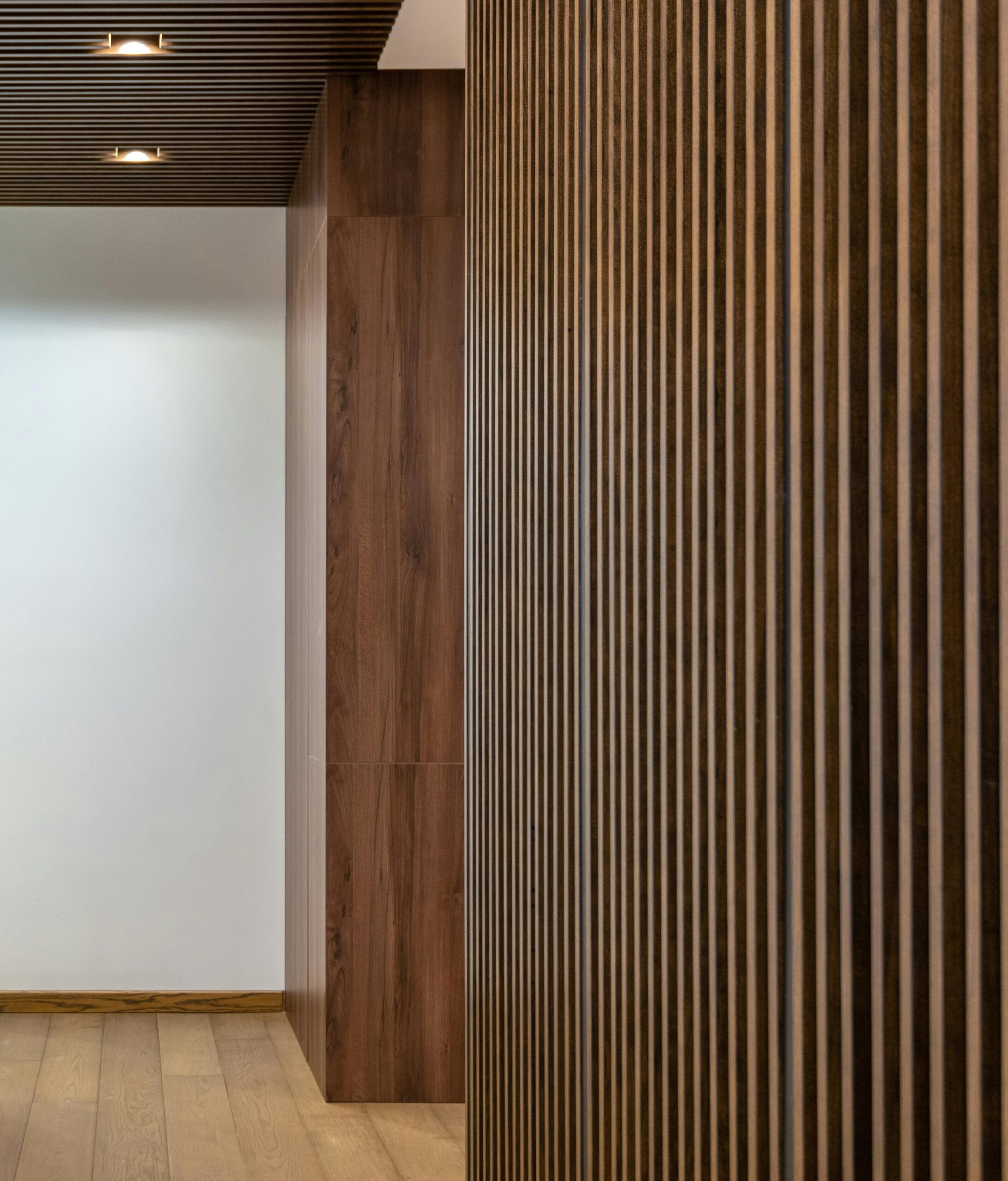
- Vertical slatted wood panels for minimalist interiors
- 3D geometric designs for feature walls
- Neutral matte finishes for modern corporate spaces
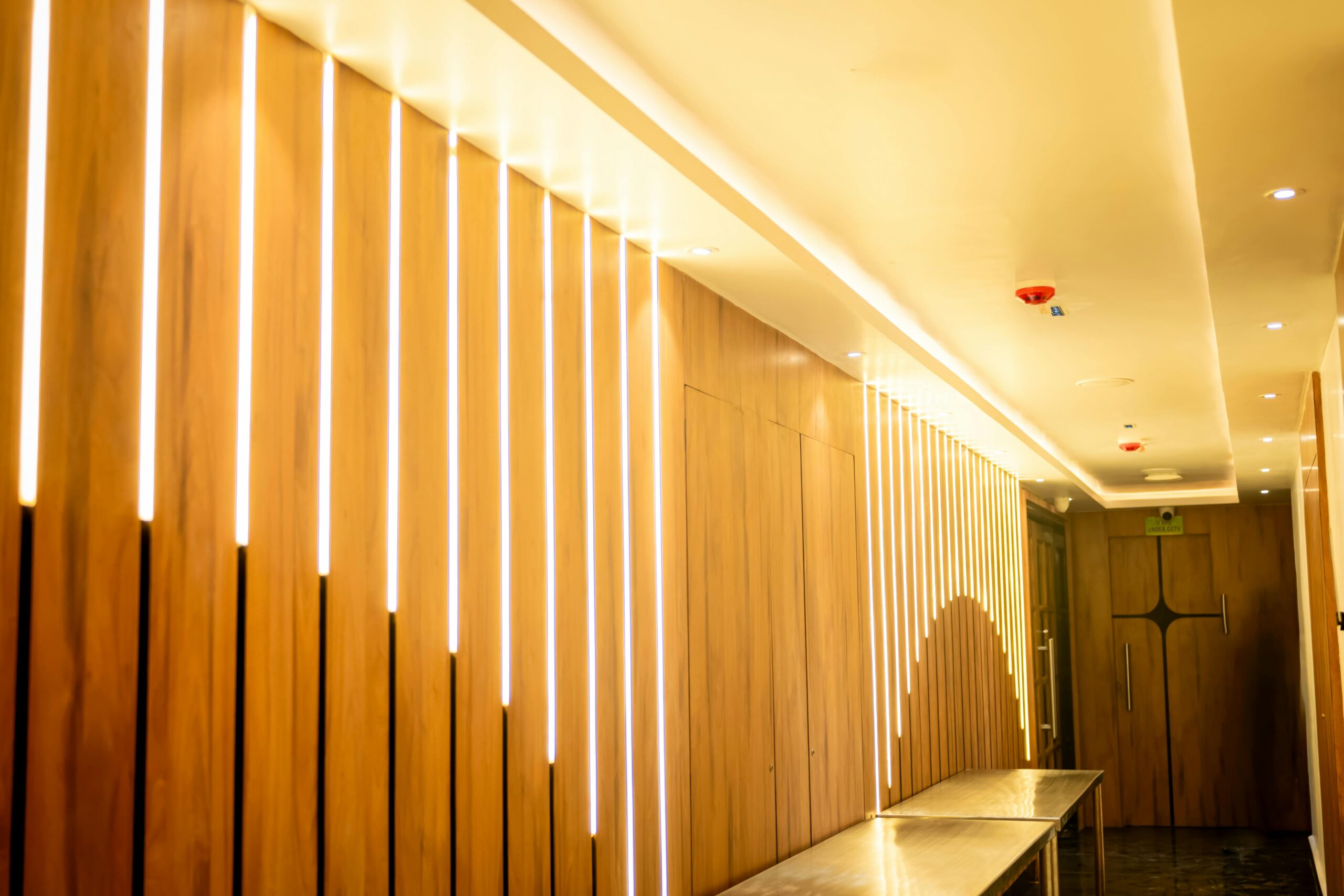
- Integrated LED lighting within panel systems
- Sustainable and recyclable materials
Biophilic design is also gaining popularity, incorporating natural textures and organic patterns into interior walls. In corporate environments, panels are increasingly used to reinforce brand identity through customized textures and subtle color integration.
As interior design evolves, wall panels continue to adapt, offering both creative flexibility and structural reliability.
Conclusion
Wall panels have become an essential component of modern interior architecture in Dubai. They offer more than decorative value—they provide protection, insulation, and enhanced durability suited to the region’s climate. From moisture-resistant materials to acoustic solutions, panels address both aesthetic and practical needs.
By understanding material types, installation methods, and maintenance requirements, property owners and designers can make informed decisions that ensure long-term performance. Whether used in homes, offices, or event spaces, wall panels contribute significantly to the functionality and visual identity of interior environments.
FAQs
1. What are wall panels used for in interior design?
Wall panels are used to enhance aesthetics, protect structural walls, improve insulation, and add texture or dimension to interior spaces.
2. Are wall panels suitable for humid environments?
Yes, certain materials such as PVC are specifically designed to resist moisture and prevent mold growth, making them ideal for humid conditions.
3. How long do interior wall panels typically last?
With proper installation and maintenance, wall panels can last many years, often outperforming traditional painted surfaces in durability.
4. Can wall panels improve thermal or sound insulation?
Yes, acoustic and insulated panel systems can reduce noise levels and improve indoor thermal efficiency.
5. What factors should be considered before installing wall panels?
Important considerations include climate conditions, room usage, material durability, maintenance requirements, and compliance with building regulations.