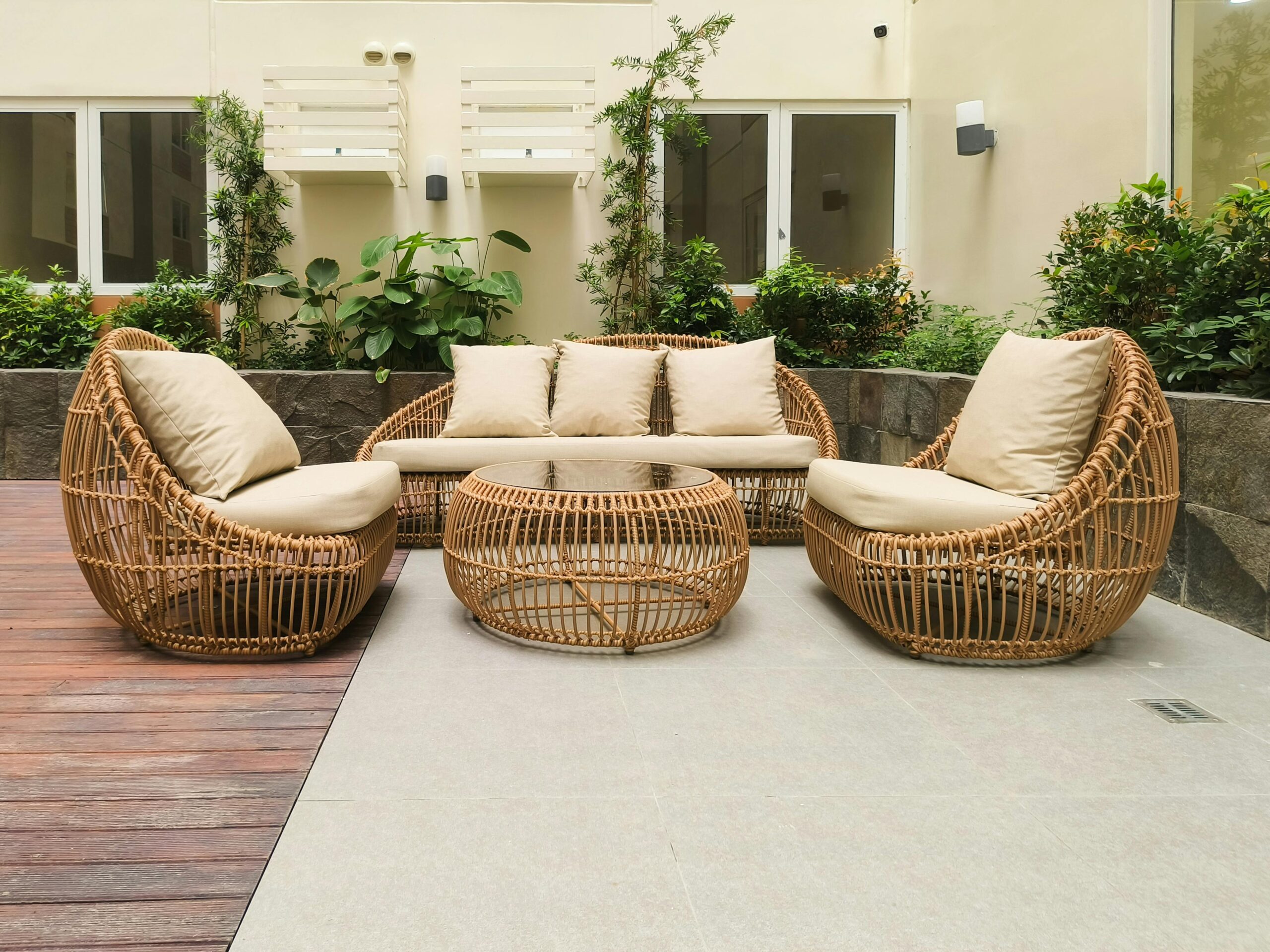
Outdoor living has become an essential extension of modern homes, especially in regions where terraces, balconies, patios, and gardens are part of everyday life. In a climate like Dubai’s, selecting the right outdoor furniture requires more than just aesthetic preference. Durability, heat resistance, and smart layout planning all play a vital role.
Choosing the right pieces can transform an exterior space into a functional retreat for relaxation, dining, or entertaining. Understanding materials, layout strategies, and environmental considerations ensures your outdoor setup remains comfortable and long-lasting throughout the year.
Key Factors to Consider Before Buying Outdoor Furniture in Dubai
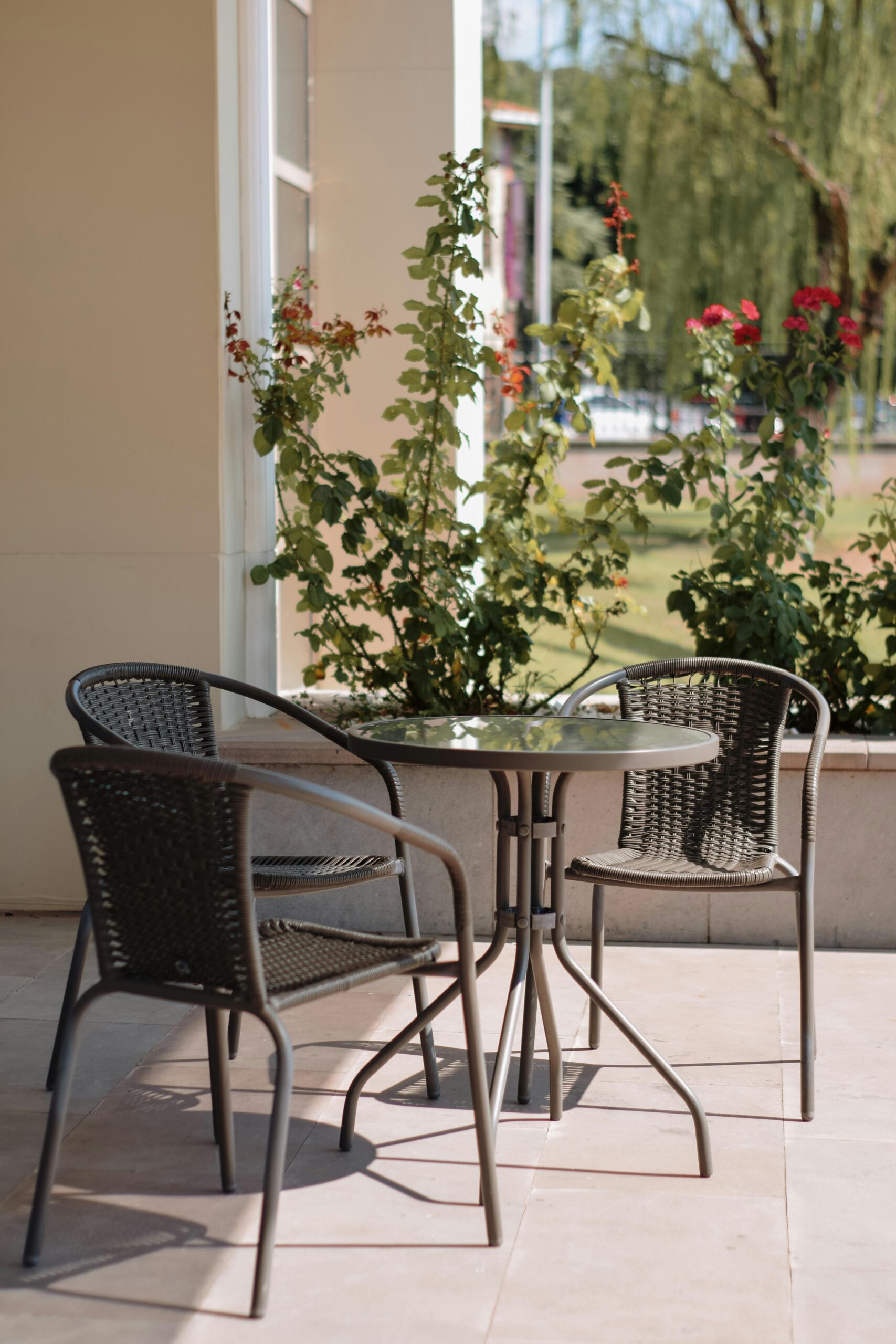
When selecting outdoor furniture in Dubai, climate is the first and most important consideration. High temperatures, humidity, sand, and occasional strong winds can impact furniture performance.
Important factors to evaluate include:
- Heat resistance: Materials should withstand prolonged sun exposure without warping or fading.
- Moisture resistance: Humidity can cause swelling, rusting, or mold growth.
- UV protection: Fabrics should resist color fading.
- Weight and stability: Furniture must remain stable during windy conditions.
- Maintenance requirements: Some materials require more frequent care than others.
Many homeowners explore options under outdoor furniture dubai to better understand designs suited to local weather conditions. The goal is not just style but long-term practicality.
Comfort is equally important. Cushions, seat depth, and ergonomic support determine whether a space is used frequently or occasionally.
Understanding Materials That Withstand Heat and Humidity
Material selection directly influences durability and maintenance needs. In Dubai’s climate, not all materials perform equally well.
1. Aluminum
Lightweight and rust-resistant, aluminum is ideal for humid environments. Powder-coated finishes add extra protection against corrosion.
2. Synthetic Rattan
Designed specifically for outdoor use, synthetic rattan resists fading and moisture, unlike natural wicker.
3. Teak Wood
Teak contains natural oils that resist water and insects. Over time, it develops a silver-gray patina if left untreated.
4. Stainless Steel
Durable and modern in appearance, stainless steel works well when properly coated to prevent corrosion.
5. Outdoor Fabrics
Look for UV-resistant and quick-drying fabrics to prevent fading and mildew.
Understanding these materials helps homeowners balance aesthetics with performance. For example, sleek metal frames may suit modern balconies, while teak complements natural garden settings.
Comparing Patio Furniture Styles for Modern Outdoor Spaces
Outdoor furniture styles should complement both the architecture of the home and the intended function of the space.
Common styles include:
- Minimalist contemporary: Clean lines, neutral colors, and simple silhouettes.
- Resort-inspired lounge: Deep seating, plush cushions, and modular layouts.
- Rustic garden style: Wooden finishes and earthy tones.
- Urban balcony setups: Compact folding tables and stackable chairs.
Exploring collections categorized under furniture can provide insight into how different styles adapt to various outdoor layouts. The focus should always remain on functionality first, then visual harmony.
When comparing styles, consider:
- Available space dimensions
- Intended activities (dining, lounging, entertaining)
- Storage possibilities during extreme weather
- Ease of cleaning
A cohesive outdoor theme enhances the transition between indoor and outdoor living.
How Quality Craftsmanship Influences Outdoor Durability
Quality craftsmanship significantly impacts how well furniture withstands harsh conditions. Even high-quality materials can fail if construction is poor.
Key craftsmanship indicators include:
- Welded joints rather than glued connections
- Smooth, even finishes
- Tight and secure fabric stitching
- Rust-resistant fasteners
- Balanced frame alignment
Well-constructed furniture maintains structural integrity despite frequent use and environmental exposure. Investing in quality craftsmanship reduces the need for frequent repairs or replacements.
Examining frame joints and material finishes closely before making a decision can prevent long-term issues.
Benefits of Incorporating Soundproof Room Dividers Outdoors
Outdoor living spaces sometimes require privacy or noise control, especially in densely populated neighborhoods or apartment buildings.
Incorporating soundproof room dividers into semi-open areas can:
- Reduce external noise from traffic or neighbors
- Create secluded lounge corners
- Improve acoustic comfort for outdoor gatherings
- Provide wind protection
These dividers are particularly useful in terraces or rooftop settings. When paired with strategic furniture placement, they create defined zones for relaxation without completely enclosing the area.
Additionally, vertical dividers can double as decorative backdrops or plant supports, enhancing both functionality and visual appeal.
Layout Planning Tips for Balconies, Gardens, and Terraces
Proper layout planning ensures outdoor spaces feel spacious rather than crowded.
Step 1: Measure the Area
Accurate measurements prevent oversized furniture from overwhelming the space.
Step 2: Define Zones
Separate areas for dining, lounging, or reading using rugs, planters, or partitions.
Step 3: Maintain Walkways
Ensure at least 60–90 cm of clearance for comfortable movement.
Step 4: Consider Sun Movement
Observe how sunlight shifts throughout the day to position seating strategically.
Step 5: Anchor Large Pieces
Place heavier furniture against walls or corners to enhance stability.
For small balconies:
- Use foldable chairs
- Opt for wall-mounted tables
- Choose light-colored materials to create an airy feel
For large gardens:
- Incorporate sectional sofas
- Add layered lighting
- Include shaded pergolas or umbrellas
Thoughtful planning transforms any outdoor space into a functional extension of the home.
Maintenance Practices to Extend Furniture Lifespan
Regular maintenance ensures outdoor furniture remains attractive and durable over time.
Cleaning Routine
- Wipe down frames weekly to remove dust and sand
- Wash cushion covers according to manufacturer guidelines
- Use mild soap solutions instead of harsh chemicals
Seasonal Care
- Store cushions indoors during sandstorms
- Apply protective oil to wooden furniture annually
- Inspect for rust spots and treat immediately
Protective Measures
- Use fitted covers when furniture is not in use
- Avoid placing furniture directly on wet grass
- Elevate pieces slightly to improve airflow underneath
Consistent maintenance reduces wear and preserves both structural integrity and appearance.
Environmental and Climate Considerations in the UAE
Dubai’s climate presents unique environmental challenges that must be addressed when selecting outdoor furniture.
Heat
High summer temperatures can cause some plastics to crack or warp. Choosing heat-resistant materials is essential.
Humidity
Coastal areas may experience increased humidity levels, accelerating corrosion in untreated metals.
Sand and Dust
Frequent dust accumulation requires easy-to-clean surfaces and durable finishes.
Sudden Weather Changes
Occasional strong winds mean furniture must be stable and properly anchored.
Sustainable considerations are also becoming more relevant. Eco-friendly materials and responsibly sourced wood are gaining popularity among environmentally conscious homeowners.
Selecting weather-appropriate materials and planning for environmental stressors ensures outdoor furniture remains functional throughout the year.
Conclusion
Choosing outdoor furniture in Dubai requires thoughtful consideration of climate, materials, craftsmanship, and layout planning. The right selection balances durability with comfort and style, transforming balconies, patios, and gardens into inviting living spaces.
By understanding how materials perform in heat and humidity, evaluating construction quality, and planning layouts strategically, homeowners can create outdoor environments that remain comfortable and resilient year-round. Careful maintenance and environmental awareness further ensure long-term usability and satisfaction.
FAQs
1. What materials are best for outdoor furniture in hot climates?
Aluminum, synthetic rattan, teak wood, and UV-resistant fabrics are among the best materials for hot climates due to their durability and resistance to sun damage.
2. How do I protect outdoor furniture from sun damage?
Use protective covers, apply UV-protective treatments, and position furniture in shaded areas when possible to minimize prolonged sun exposure.
3. What is the difference between patio and garden furniture?
Patio furniture typically refers to seating and dining sets designed for paved areas, while garden furniture may include more natural materials suited for grassy or landscaped environments.
4. Can outdoor furniture be used on small balconies?
Yes, compact and foldable furniture designs are ideal for small balconies, maximizing functionality without overcrowding the space.
5. How often should outdoor furniture be maintained?
Routine cleaning should be done weekly, while deeper maintenance—such as oiling wood or inspecting frames—should be performed seasonally or annually depending on material type.